

 T.Việt
 日本語
日本語 中文
中文 한국어
한국어Some destinations are best explored through a list of attractions. Others invite you to slow down, look around and appreciate the landscape as it unfolds. Son Tra Vietnam belongs to the latter. Located on the northeastern edge of Da Nang, Son Tra Peninsula is a remarkable natural destination where forested mountains meet the sea, winding roads reveal sweeping coastal views, and wildlife inhabits one of the city’s most valuable natural environments.
Often described as the green lung of Da Nang, Son Tra offers a different perspective on Vietnam’s central coast. Beyond the city’s beaches, restaurants and lively streets, the peninsula provides a quieter setting for nature lovers, photographers, outdoor enthusiasts and travellers seeking a meaningful connection with the landscape.
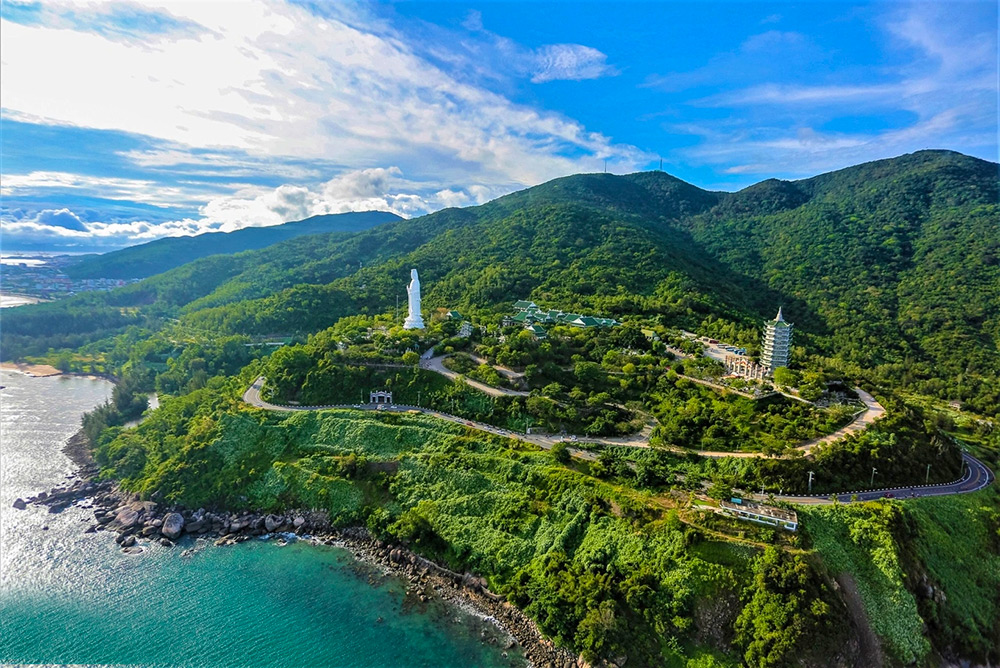
Visitors can admire the panoramic views from Ban Co Peak, explore the peaceful grounds of Linh Ung Pagoda, discover secluded coastal scenery and learn about the endangered red-shanked douc langur. Each experience reveals a different aspect of Son Tra, from its ecological importance to its cultural significance.
Whether you are planning a short morning excursion or a more leisurely day of exploration, this guide to Son Tra Vietnam covers the essential attractions, wildlife experiences, practical travel advice and responsible ways to enjoy the peninsula.
Where Is Son Tra Vietnam?
Son Tra Peninsula lies northeast of central Da Nang, overlooking the coastline and Da Nang Bay. Located approximately 10 kilometres from the city centre, it is accessible enough for a half-day excursion while offering a striking contrast to the surrounding urban environment.
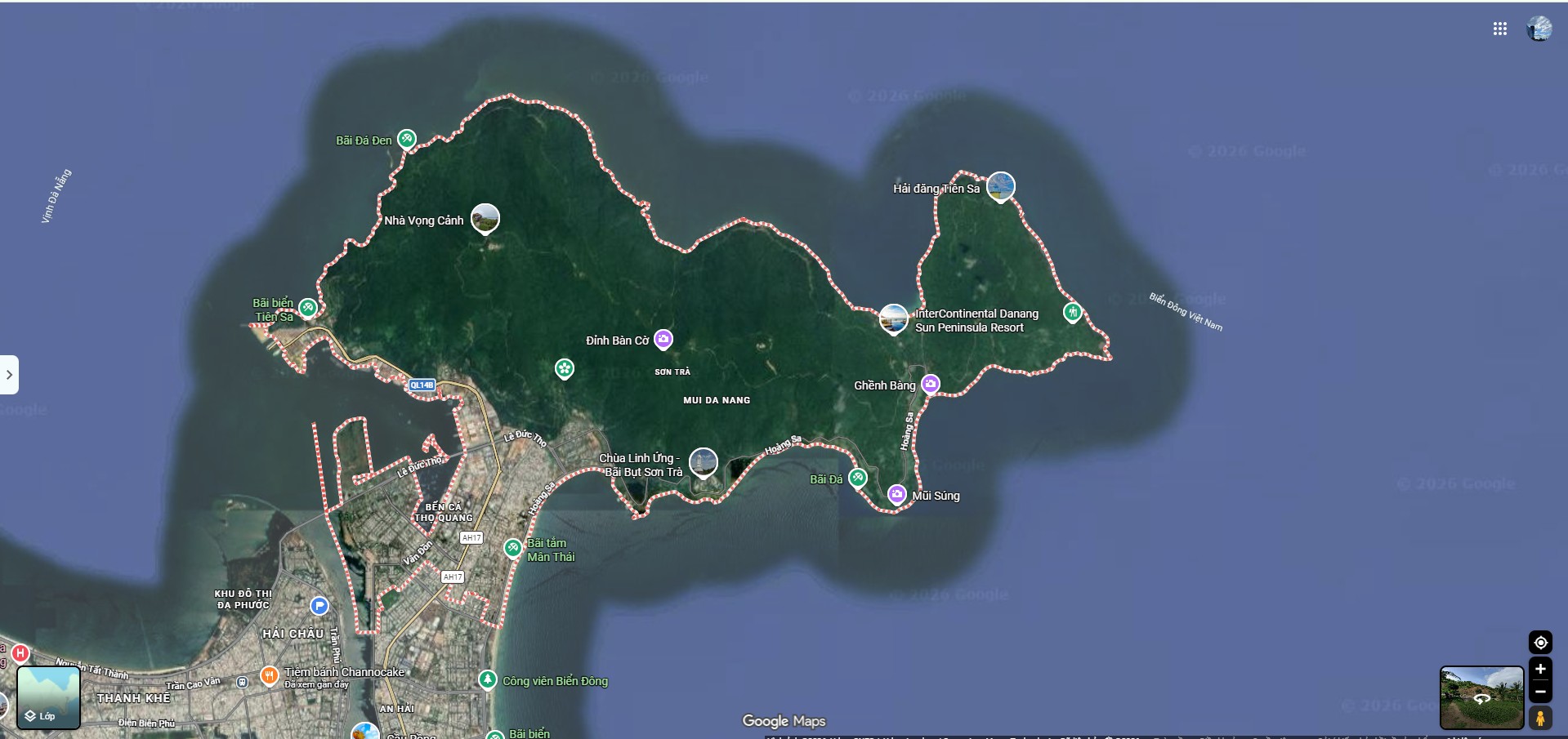
The peninsula covers approximately 4,400 hectares of forested terrain, with mountainous landscapes descending towards beaches, rocky headlands and coastal waters. Its combination of tropical forest and marine environments makes it one of Da Nang’s most distinctive natural areas.
Unlike a conventional beach destination, Son Tra is not defined by a single attraction. Its appeal comes from the relationship between its different landscapes. A road through the hills may lead to a panoramic viewpoint, a forested section may offer opportunities to observe wildlife, and a visit to a hilltop pagoda may reveal an expansive view of the coastline.
Why Is Son Tra Peninsula Special?
The peninsula’s natural environment is one of its greatest assets. Its forests provide important habitats for native wildlife, while its coastal setting supports a variety of marine ecosystems. At the same time, Son Tra plays an important role in Da Nang’s identity, offering residents and visitors access to nature close to the city.
For travellers, this means experiencing several sides of central Vietnam in one destination. Son Tra combines mountain scenery, biodiversity, spiritual landmarks and coastal exploration without requiring a long journey from the city centre.
It is particularly appealing to visitors who prefer experiences beyond crowded tourist areas and want to understand the natural character of Da Nang.
Discover the Natural Beauty of Son Tra Peninsula
One of the most memorable aspects of Son Tra Vietnam is the diversity of its scenery. The landscape changes as you travel along the peninsula, moving from developed coastal areas into greener mountain surroundings and towards viewpoints overlooking the sea.
Lush Forests and Mountain Landscapes
The forested slopes of Son Tra create a refreshing contrast to Da Nang’s built-up areas. Dense vegetation covers much of the mountain terrain, providing shade, supporting wildlife and contributing to the peninsula’s distinctive atmosphere.
The experience is not necessarily about reaching a particular destination. Even travelling along the scenic roads can be rewarding, especially when sunlight filters through the trees or the sea appears between the hills.
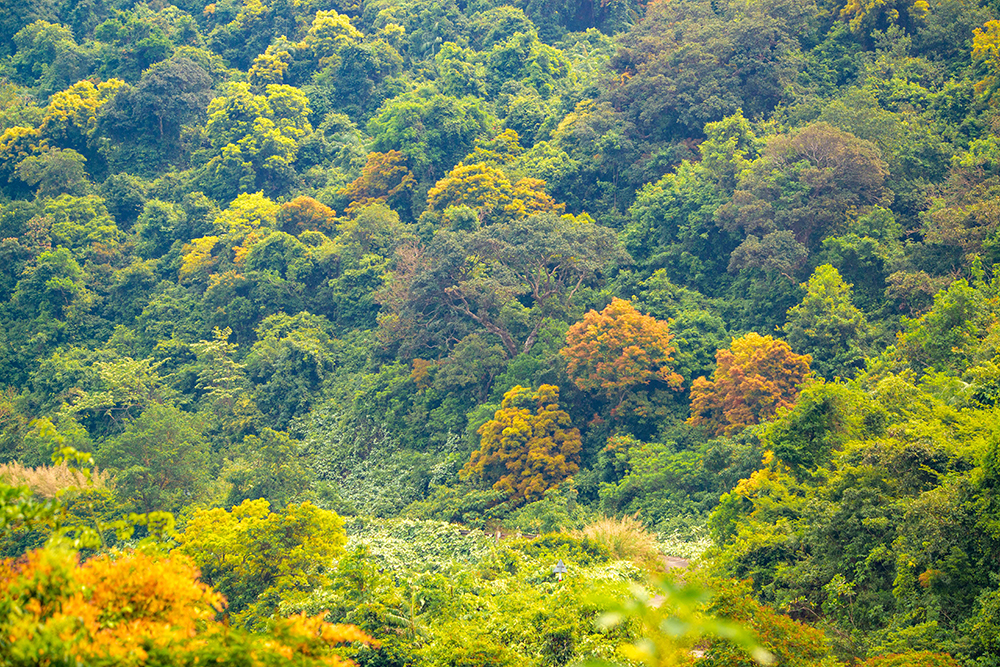
Visitors interested in nature should take time to appreciate the smaller details, including the changing vegetation, birdsong and the transition between forest and coastline. These moments help reveal why Son Tra is considered an important natural refuge within a growing coastal city.
Because the peninsula is a protected natural area, access to certain sections may be regulated. Travellers should follow current local guidance and remain on permitted routes rather than assuming every trail or forest road is open to the public.
Coastal Views and Secluded Beaches
Son Tra’s coastline features rocky formations, sheltered bays and beaches that offer a different atmosphere from the main urban beaches of Da Nang.
Depending on sea conditions and access restrictions, visitors may explore coastal areas such as Bai But and Bai Rang, where the landscape brings together green hills, rock formations and the open sea.
These places are attractive to photographers and travellers who appreciate natural scenery. The changing light throughout the day can transform the coastline, from soft morning colours to the warmer tones of late afternoon.
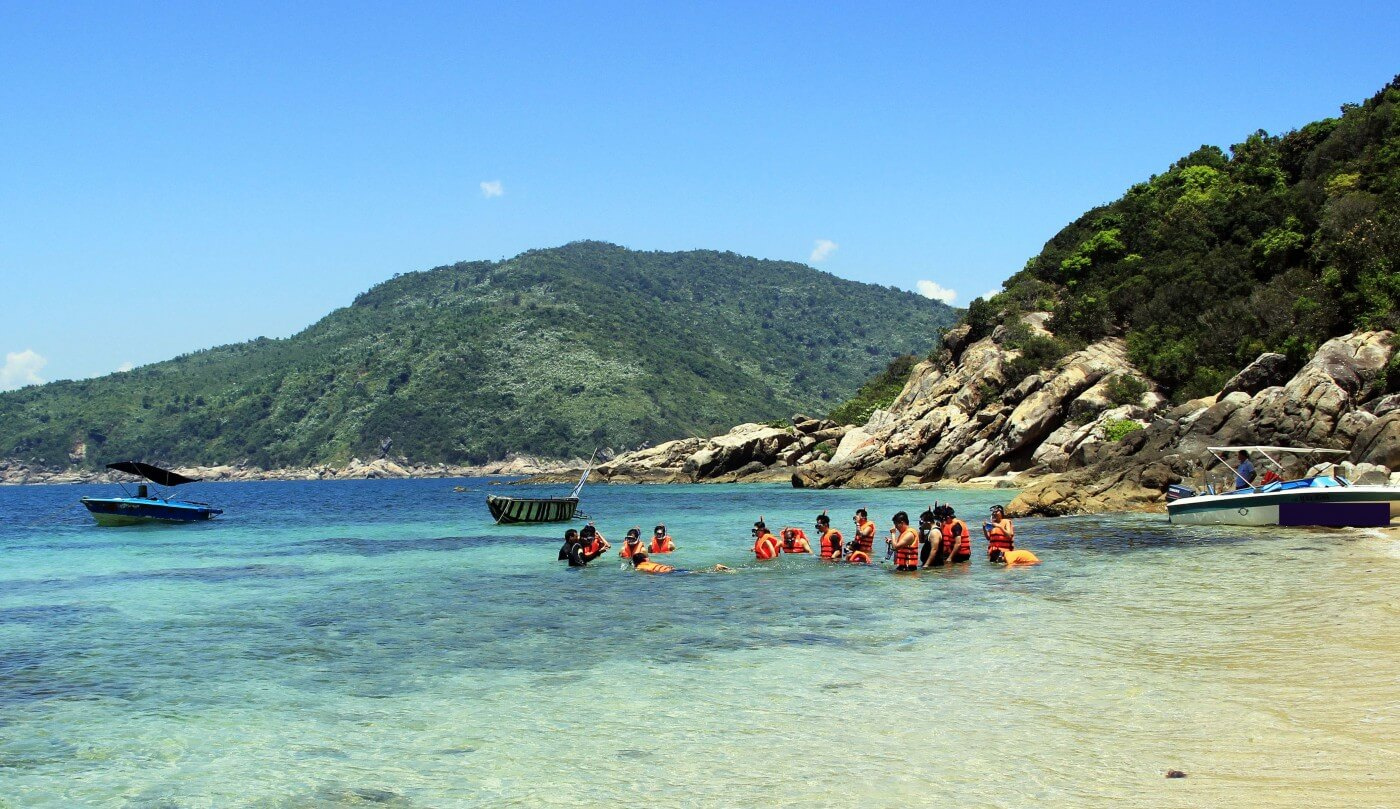
However, not every beach is suitable for swimming. Water conditions, currents, rocky entries and seasonal weather can affect safety. Check local advice before entering the water, and avoid swimming in unfamiliar areas when conditions are uncertain.
For many visitors, simply enjoying the coastal scenery is enough to make Son Tra a worthwhile addition to a Da Nang itinerary.
Wildlife in Son Tra Vietnam: A Haven for Rare Species
Son Tra is more than a scenic destination. Its ecological value is a major reason the peninsula deserves careful protection.
The forests support a range of wildlife, including birds, mammals and other native species. Among its most remarkable inhabitants is the red-shanked douc langur, a rare primate recognised for its distinctive appearance.
Meet the Red-Shanked Douc Langur
The red-shanked douc langur is one of the most recognisable wildlife species associated with Son Tra. Sometimes nicknamed the “queen of primates” because of its striking appearance, this endangered monkey has a colourful face, grey body, reddish lower legs and contrasting white markings.
Son Tra is an important habitat for this species, making the peninsula particularly significant for wildlife conservation in Vietnam.
Spotting a red-shanked douc langur in its natural environment can be a memorable experience, but sightings are never guaranteed. These animals live in the forest canopy and follow their own patterns of movement, feeding and resting. They should not be treated as an attraction that can be summoned on demand.
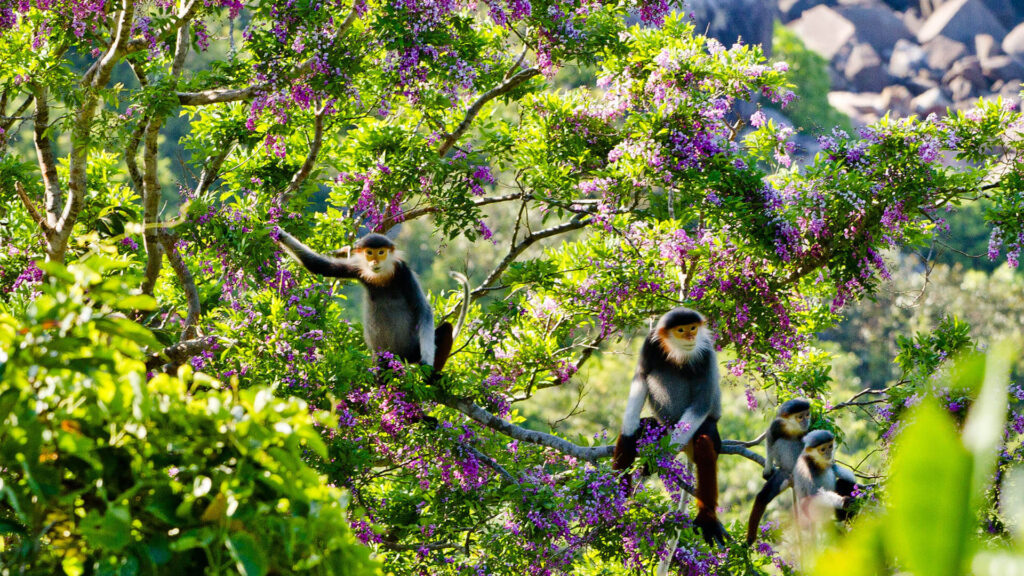
Visitors hoping to observe them should remain patient, keep a respectful distance and consider seeking guidance from a knowledgeable local nature guide where permitted.
Most importantly, never feed wild monkeys, attempt to touch them or approach them for photographs. Human food can harm wildlife, while close contact may disturb their natural behaviour and create risks for both animals and visitors.
Why Wildlife Conservation Matters
The importance of Son Tra extends beyond its individual species. Healthy forest habitats support biodiversity, help protect the landscape and contribute to the environmental resilience of the surrounding region.
As Da Nang continues to develop as a tourism destination, responsible visitation becomes increasingly important. Noise, litter, feeding wildlife and leaving designated routes can damage the very environment that attracts people to the peninsula.
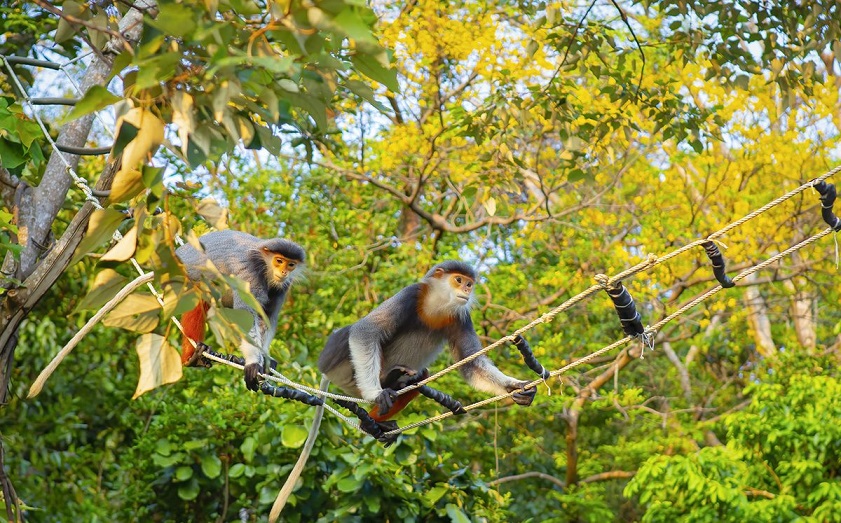
Travellers can help protect Son Tra by taking their rubbish with them, avoiding unnecessary disturbance and following conservation rules. Choosing a responsible wildlife experience also helps shift the focus from collecting photographs to appreciating the animals and their habitat.
For those interested in nature, this approach often creates a more rewarding experience. Rather than expecting a guaranteed wildlife encounter, visitors can enjoy the broader landscape while recognising the privilege of observing wild animals in their natural surroundings.
NOTED: PLEASE DO NOT FEED WILDLIFE. Feeding wild animals can weaken their natural foraging instincts and affect their ability to survive independently in the wild. Thank you for helping us protect wildlife and preserve their natural behaviors.
Top Things to Do in Son Tra Vietnam
From spiritual landmarks to mountain viewpoints, Son Tra offers several experiences that can be combined into a relaxed half-day or full-day excursion.
1. Visit Linh Ung Pagoda and the Lady Buddha Statue
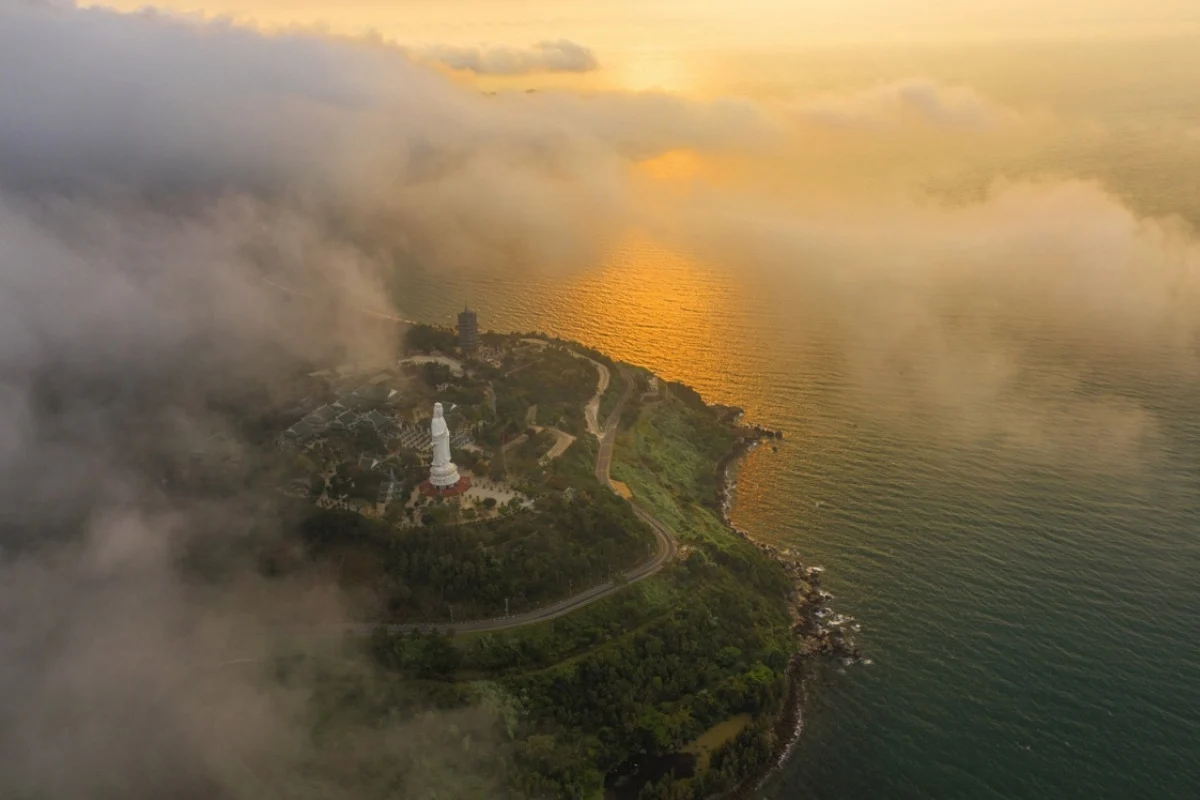
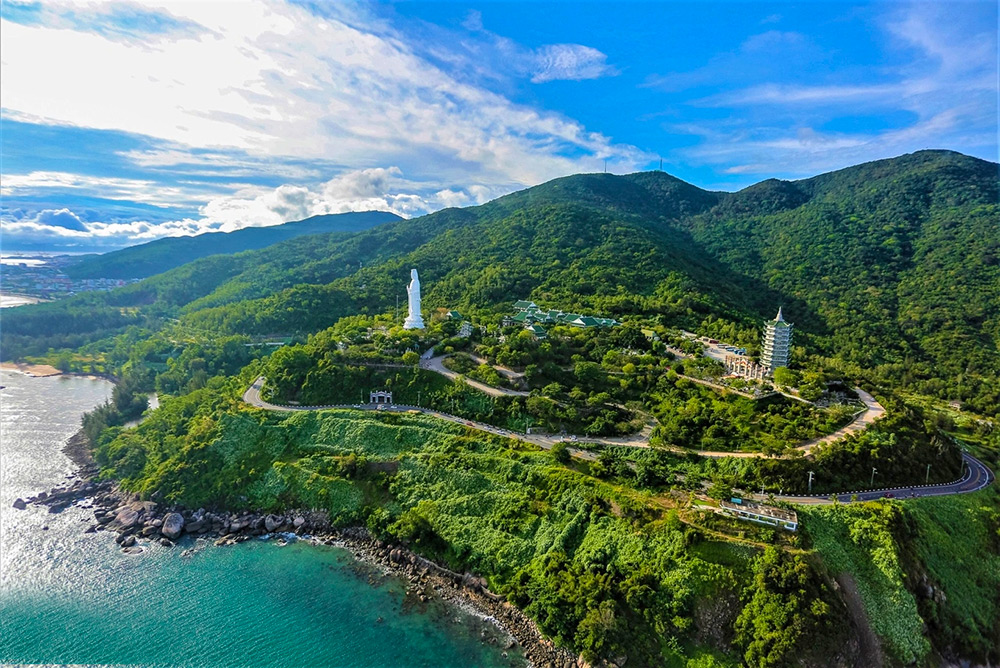
Linh Ung Pagoda at Bai But is one of Son Tra’s most prominent landmarks. Set against a green mountain backdrop and facing the sea, the pagoda combines traditional Vietnamese Buddhist architecture with an impressive coastal setting.
Its most recognisable feature is the 67-metre statue of the Bodhisattva Guanyin, commonly known as the Lady Buddha. The white statue overlooks the sea and has become one of Da Nang’s best-known landmarks.
Beyond its architectural significance, the pagoda offers a peaceful environment for reflection. Visitors can explore the grounds, admire the traditional details and enjoy views across Da Nang Bay and the surrounding coastline.
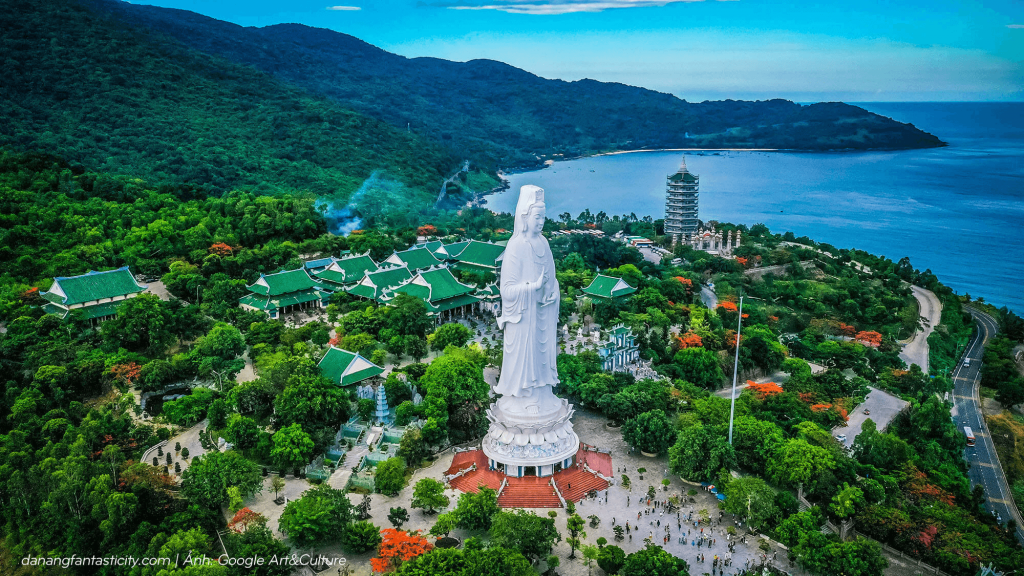
The atmosphere is especially appealing to travellers who appreciate cultural experiences that encourage a slower pace. Even for those who are not visiting for religious reasons, the combination of architecture, landscape and tranquillity makes Linh Ung Pagoda worth including in a Son Tra itinerary.
Dress respectfully, speak quietly within worship areas and follow any photography restrictions. As an active religious site, the pagoda deserves the same consideration as any place of worship.
2. Enjoy the Panoramic Views from Ban Co Peak
Ban Co Peak, or Chessboard Peak, is famous for its elevated views over Da Nang and the surrounding coastline. The viewpoint is associated with a statue of a celestial figure playing chess, inspired by local legend.
From higher elevations, the city’s buildings, beaches and bay can appear together in a single sweeping panorama. On clear days, the contrast between the blue sea, green mountains and urban skyline creates excellent opportunities for landscape photography.
The journey towards the viewpoint can be as enjoyable as the destination itself, with winding roads revealing changing perspectives along the way.

However, road access and restrictions may change. Some routes can be steep or challenging, particularly for inexperienced motorcyclists. Check the latest local access information before setting out, and do not assume every vehicle is permitted on every section of the peninsula.
If visiting for photography, allow time to appreciate the view rather than rushing between stops. The landscape is often more rewarding when experienced without the pressure of a packed itinerary.
3. Explore the Thousand-Year-Old Banyan Tree
Another notable natural landmark on Son Tra is its ancient banyan tree, known for its extensive aerial roots and impressive structure.
The tree offers a different perspective on the peninsula’s natural heritage. While mountain viewpoints highlight the scale of the landscape, the banyan tree draws attention to the life and complexity within the forest itself.
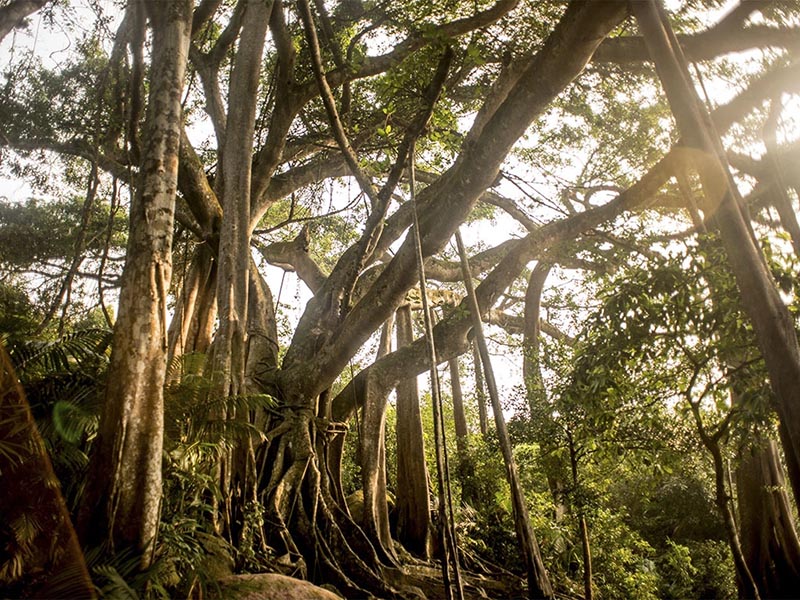
Its twisting roots and broad canopy create an intriguing subject for nature photography. The surrounding environment also provides an opportunity to appreciate how long-lived trees contribute to forest ecosystems.
Access conditions may vary, so check whether the route is open before planning a visit.
4. Discover the Peninsula’s Coastal Viewpoints
Son Tra’s appeal is not limited to its most famous landmarks. Several coastal sections offer opportunities to pause, admire the scenery and observe the relationship between the mountains and the sea.
Areas around Bai Rang and other accessible coastal viewpoints may provide excellent photographic perspectives, depending on weather and local access rules.
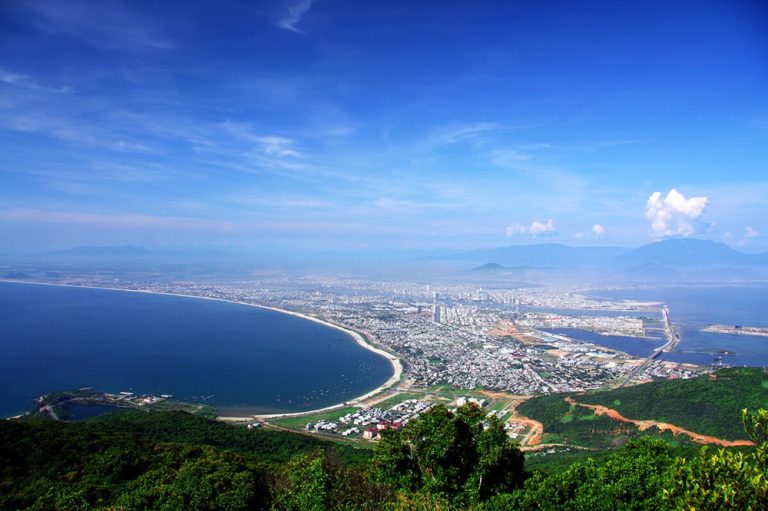
Rather than trying to visit every location, choose a few stops that suit your interests. Travellers who enjoy photography may prefer to spend longer at scenic viewpoints, while those interested in culture can give more time to Linh Ung Pagoda.
This flexible approach makes exploring Son Tra more comfortable and leaves room for unexpected discoveries along the way.
5. Take a Scenic Drive Through Son Tra
For many visitors, a scenic drive is one of the simplest ways to experience Son Tra Peninsula. The winding roads pass through forested slopes and open towards views of the coastline, creating a journey that feels distinct from travelling through the city.
A car with a driver can be a practical option for travellers who prefer a relaxed excursion without having to navigate unfamiliar mountain roads. Motorbike travel may suit experienced riders, provided the selected routes are open and the rider understands the conditions.
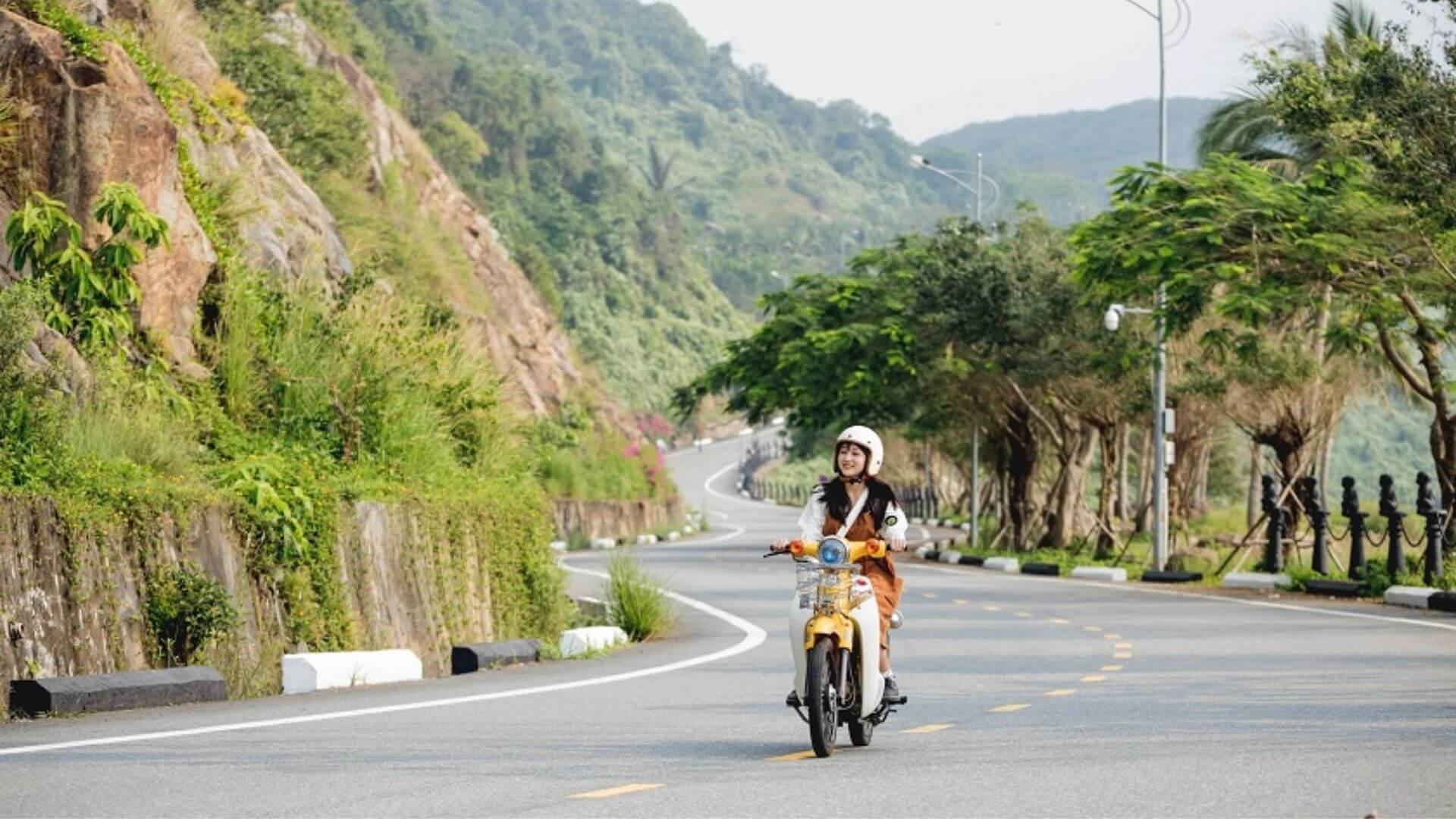
Avoid stopping in unsafe locations to take photographs, and never block traffic on narrow roads. It is also wise to carry drinking water, check your vehicle before departure and allow extra time for changing weather.
The best experience is not necessarily the fastest route or the greatest number of stops. It is the opportunity to enjoy the landscape safely and at your own pace.
Best Time to Visit Son Tra Vietnam
The best time to explore Son Tra depends on the weather, visibility and the activities you have in mind.
Dry Season: A Good Choice for Scenic Exploration
The drier months, generally from around March to August or September, often provide favourable conditions for sightseeing in Da Nang. Clearer skies and lower rainfall can make coastal views, photography and road trips more enjoyable.
Morning is particularly appealing because temperatures are usually more comfortable than during the middle of the day. An early departure also leaves more time to explore without rushing.
Late afternoon can provide softer light for landscape photography, although visitors should plan their return carefully and avoid unfamiliar mountain roads after dark.
Rainy Season: Check Conditions Before Travelling
Da Nang’s wetter months generally fall between September and February, with the potential for heavy rain and tropical weather. Conditions can change quickly, affecting visibility, road safety and access to exposed viewpoints.
A visit may still be possible on a clear day, but flexibility is important. Check the forecast and any local restrictions before leaving your accommodation, especially when storms or strong winds are expected.
There is no single perfect time for every traveller. The most important consideration is choosing a day when the weather and access conditions support the activities you intend to enjoy.
How to Plan a Visit to Son Tra Peninsula
A little preparation can make the difference between a rushed excursion and an enjoyable day in nature.
How Much Time Should You Spend in Son Tra?
A half-day visit is suitable for travellers who want to see Linh Ung Pagoda, enjoy a few coastal views and return to the city for lunch.
A full day allows for a more relaxed pace, with additional time for scenic stops, photography and nature observation. It is also a better option for visitors who prefer not to rush between locations.
Trying to cover every viewpoint in a short visit can make the journey tiring, particularly when roads are winding or access restrictions require changes to the route.
What Should You Bring?
Prepare for warm weather, changing conditions and periods outdoors.
- Comfortable walking shoes suitable for uneven surfaces.
- Drinking water and sun protection.
- Light clothing and a modest cover-up for visiting the pagoda.
- A light rain jacket during wetter months.
- A camera or smartphone, used safely at designated stopping points.
- Any necessary personal medication.
Keep valuables secure and take all rubbish with you when leaving.
Getting to Son Tra from Da Nang City Centre
Son Tra Peninsula is approximately 10 kilometres from central Da Nang, making it accessible by car, taxi or motorbike, depending on the destination and current road restrictions.
A private car with a driver is convenient for families, groups and travellers who want to enjoy the scenery without navigating the route themselves. Motorbikes offer greater flexibility but are best suited to experienced riders who are comfortable with steep gradients and winding roads.
Before travelling, confirm which areas are accessible to your chosen vehicle. Certain roads or viewpoints may have restrictions, and these can change for safety or conservation reasons.
Discover more: Best Things to Do in Danang Vietnam in Summer 2026 | Ultimate Travel Guide
Responsible Travel: How to Protect Son Tra’s Natural Environment
Visiting Son Tra Vietnam also means entering an environment that supports rare wildlife and important forest habitats. Responsible behaviour helps ensure that the peninsula remains a valuable natural refuge for future generations.
First, keep a respectful distance from wild animals. Never feed monkeys or red-shanked douc langurs, even if they approach the road or appear accustomed to people.
Second, stay on permitted routes and observe all signs. Shortcuts and unauthorised trails can damage vegetation and disturb wildlife habitats.
Third, keep noise to a minimum and carry your rubbish back with you. Plastic waste and discarded food can affect animals and the surrounding environment.
Finally, respect local communities and religious spaces. At Linh Ung Pagoda, modest clothing and considerate behaviour help preserve the atmosphere for worshippers and visitors alike.
Responsible travel does not diminish the experience. It allows visitors to appreciate Son Tra for what it truly is: a living natural landscape, not simply a collection of sightseeing stops.
Frequently Asked Questions About Son Tra Vietnam
Is Son Tra Peninsula worth visiting?
Yes. Son Tra is an excellent choice for travellers interested in nature, coastal scenery, wildlife and cultural landmarks. Its proximity to central Da Nang makes it particularly convenient for a half-day or full-day excursion.
Can you see monkeys in Son Tra?
Son Tra is known for its wild primates, including the red-shanked douc langur. However, sightings are not guaranteed. Visitors should observe wildlife quietly from a safe distance and never feed or approach animals.
Is Son Tra suitable for families?
Yes, many of Son Tra’s accessible attractions can be enjoyed by families, particularly Linh Ung Pagoda and designated scenic viewpoints. Families should consider road conditions, walking distances, weather and the needs of younger children when planning their route.
How long does it take to explore Son Tra?
A half-day is generally sufficient for a few major highlights. A full day is preferable for travellers who want to explore at a relaxed pace, spend more time at viewpoints and include additional stops where access is permitted.
Is Son Tra free to visit?
Access to the peninsula and several well-known attractions has generally been free, but fees may apply to particular services, tours, parking areas or activities. Check current local information before visiting, as arrangements may change.
Can you swim at Son Tra’s beaches?
Some coastal areas may be suitable for swimming under the right conditions, but not every beach is safe or accessible. Check local guidance, sea conditions and any warning signs before entering the water.
Final Thoughts: Experience a Different Side of Da Nang
Son Tra Vietnam reveals a quieter, more natural side of Da Nang. Its forested mountains, sweeping coastal views, rare wildlife and spiritual landmarks offer a welcome contrast to the energy of the city and its popular beaches.
What makes the peninsula memorable is not simply the number of places to visit, but the variety of experiences within a relatively small area. A morning at Linh Ung Pagoda, a scenic drive through the hills or a patient search for wildlife can each offer a different way to appreciate the landscape.
For travellers planning a stay in Da Nang, Son Tra is well worth setting aside time to explore. Visit with curiosity, allow the scenery to set the pace and remember that protecting the environment is part of experiencing it well.
The result is a journey that goes beyond sightseeing and offers a deeper appreciation of the natural beauty that makes central Vietnam such a distinctive destination.
Reservations & Contact
Hotline: (+84) 0235 2208 999
Fanpage: https://www.facebook.com/TheFiveVillasResorts
Website: https://quangnam.thefiveresorts.vn
📍 Address: The Five Villas & Resort Quangnam Danang, Lac Long Quan Street, Dien Ban Dong Ward, Da Nang city, Vietnam