

 T.Việt
 日本語
日本語 中文
中文 한국어
한국어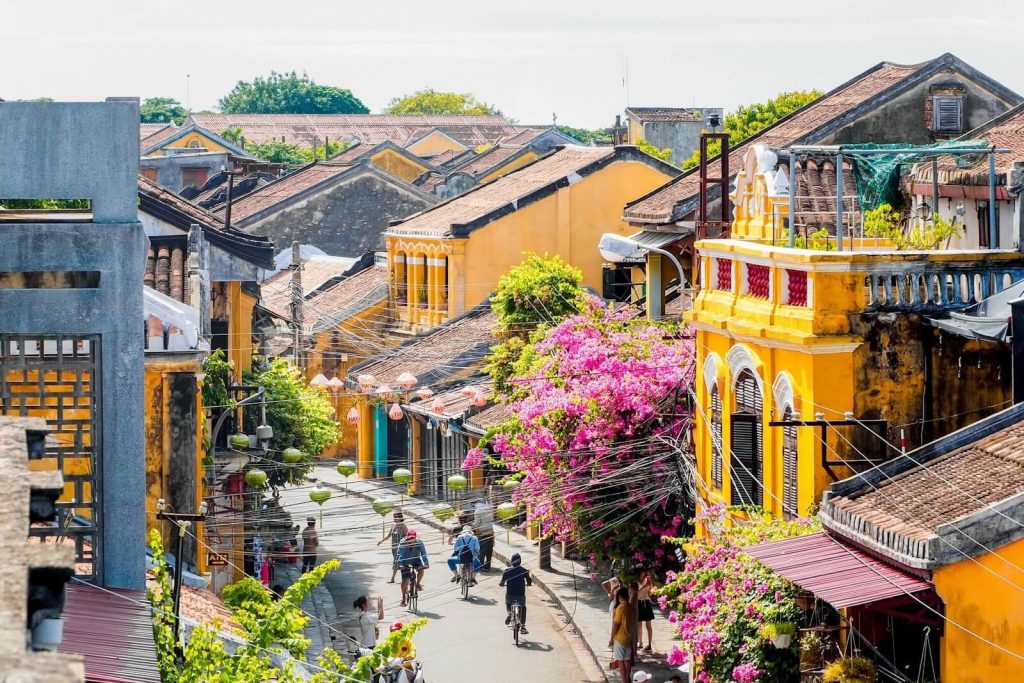
There are places you visit for the sights, and there are places you remember for the atmosphere. Hoi An Ancient Town Vietnam belongs firmly to the second kind.
Located along the Thu Bon River in central Vietnam, Hoi An is a historic trading port where Vietnamese, Chinese, Japanese and European influences came together over centuries. Today, its narrow streets, ochre-colored houses, wooden shopfronts, historic assembly halls and colorful lanterns preserve an atmosphere that feels remarkably different from modern Vietnamese cities.
Recognized by UNESCO as a World Heritage Site, Hoi An Ancient Town is more than a collection of old buildings. It is a living heritage destination where architecture, food, craftsmanship, local traditions and everyday life continue to exist side by side.

Walking through the Old Town in the late afternoon, when the heat begins to soften and the streets gradually become illuminated by lanterns, is perhaps the simplest way to understand its charm. There is no need to rush. Hoi An rewards travelers who slow down and allow themselves to experience the details.
Whether you are visiting Vietnam for the first time, planning a cultural escape from Da Nang or looking for a peaceful destination near the coast, this guide will help you discover the history, culture and experiences that make Hoi An Ancient Town Vietnam so special.
Why Is Hoi An Ancient Town Vietnam So Special?
The appeal of Hoi An comes from the remarkable preservation of its historic urban landscape.
Unlike many destinations where historic buildings have become isolated monuments, Hoi An’s heritage remains integrated into daily life. Traditional houses are still used as homes, restaurants, shops, cafés and family businesses. Visitors can walk through streets that once formed part of a busy international trading port and still see many of the architectural details that have survived for generations.
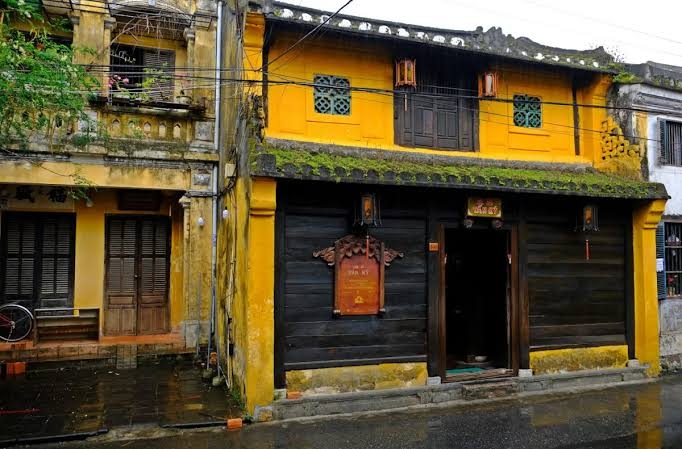
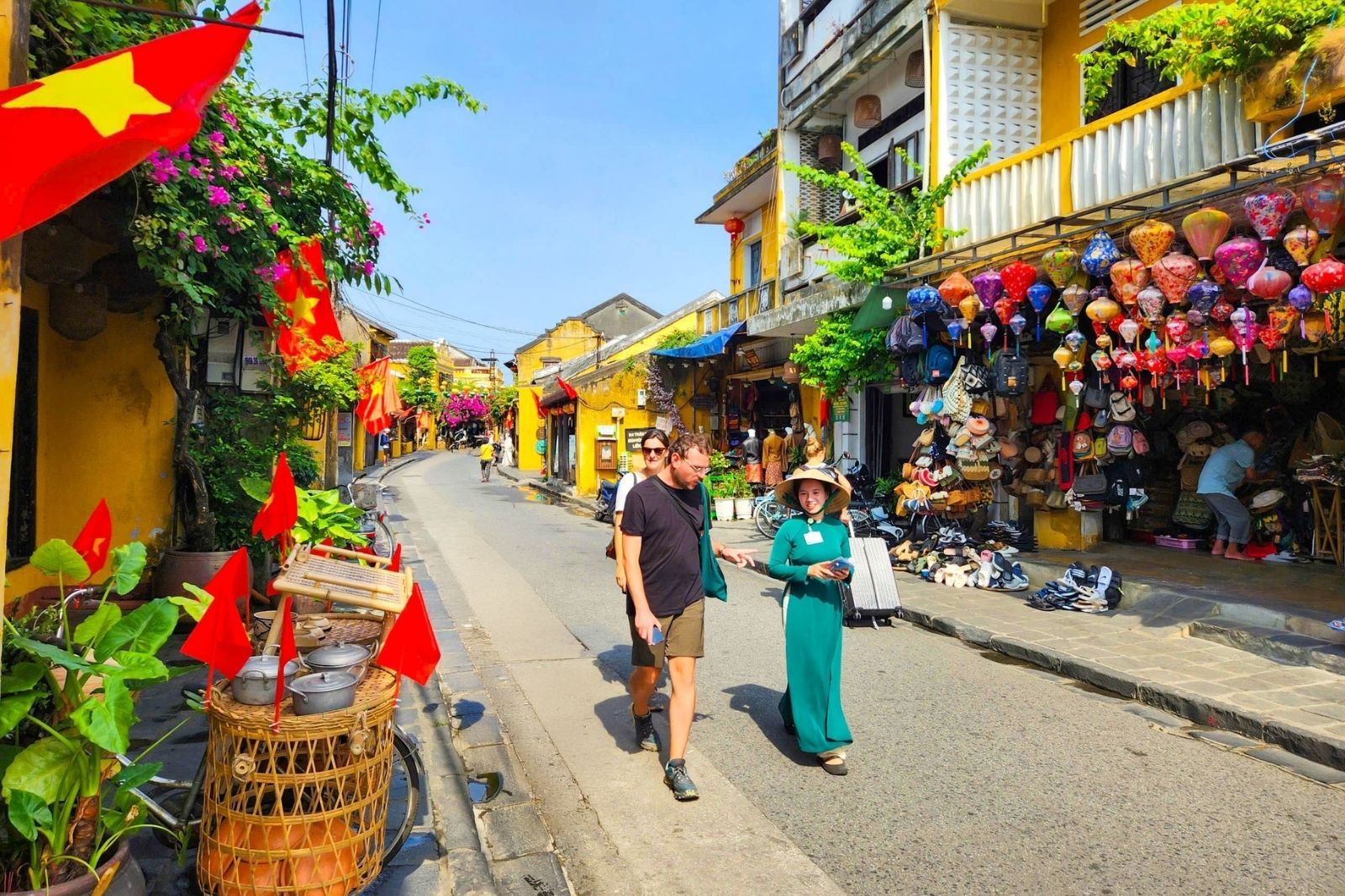
The town’s distinctive yellow buildings are perhaps its most recognizable feature. Combined with dark wooden doors, tiled roofs, colorful lanterns and narrow streets, they create an architectural identity that is immediately associated with Hoi An.
The atmosphere changes throughout the day.
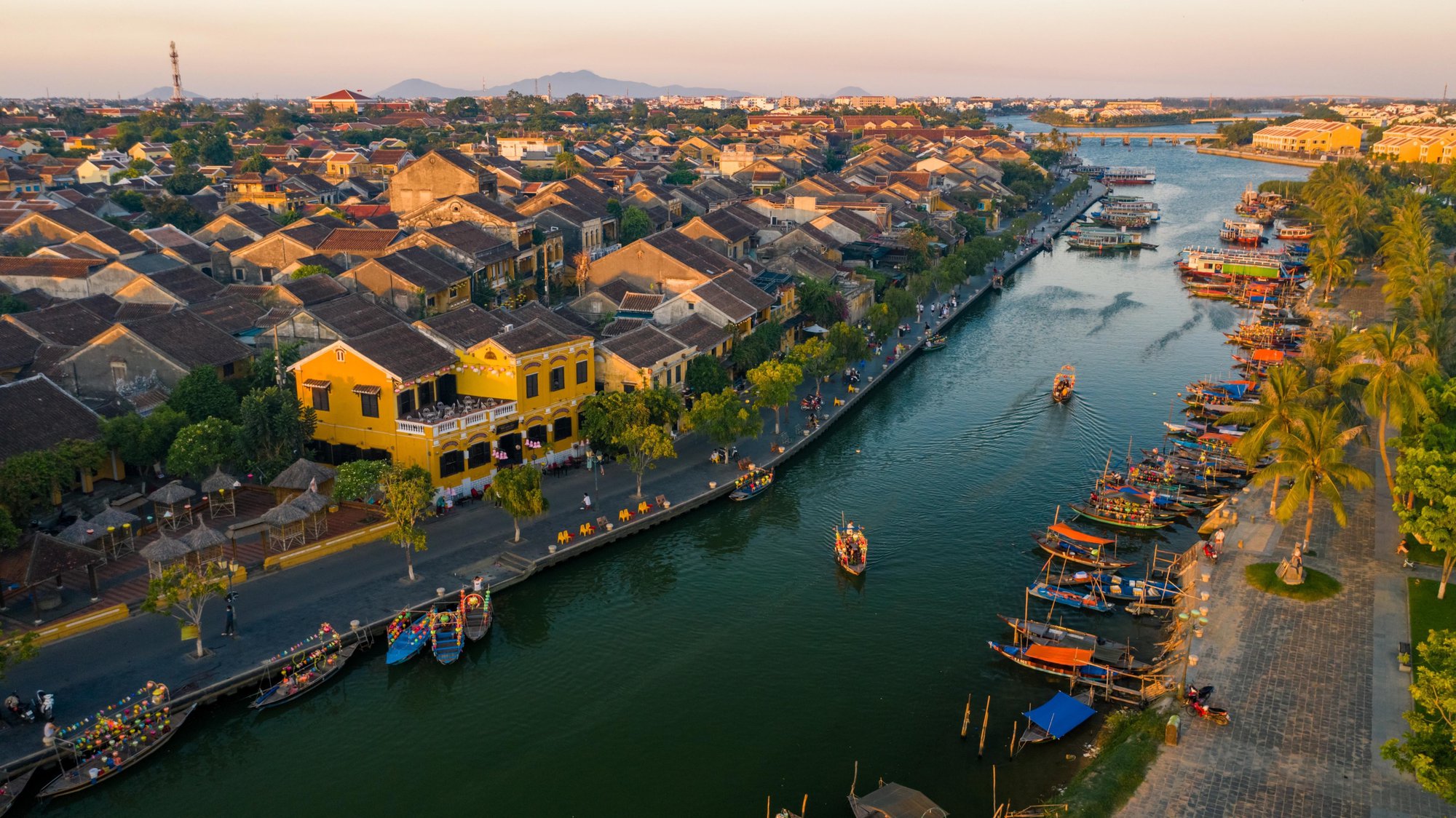
Morning offers a quieter experience, when local residents open their shops and vendors prepare for the day. In the afternoon, the streets become livelier as travelers explore the historic center. After sunset, lanterns illuminate the buildings and the Thu Bon River becomes part of the evening scene.
This gradual transformation is one of the reasons Hoi An Ancient Town Vietnam feels more like an experience than a conventional sightseeing attraction.
A Brief History of Hoi An Ancient Town
From Trading Port to Cultural Heritage
Hoi An developed into an important commercial port from the 16th and 17th centuries, when merchants from different parts of Asia and Europe arrived to trade goods.
The town’s position along the Thu Bon River gave it an important connection to regional maritime trade. Chinese and Japanese merchants established communities here, while traders from countries including Portugal, the Netherlands and France also became part of Hoi An’s international commercial history.
This multicultural history can still be seen in the architecture and religious buildings throughout the Old Town.
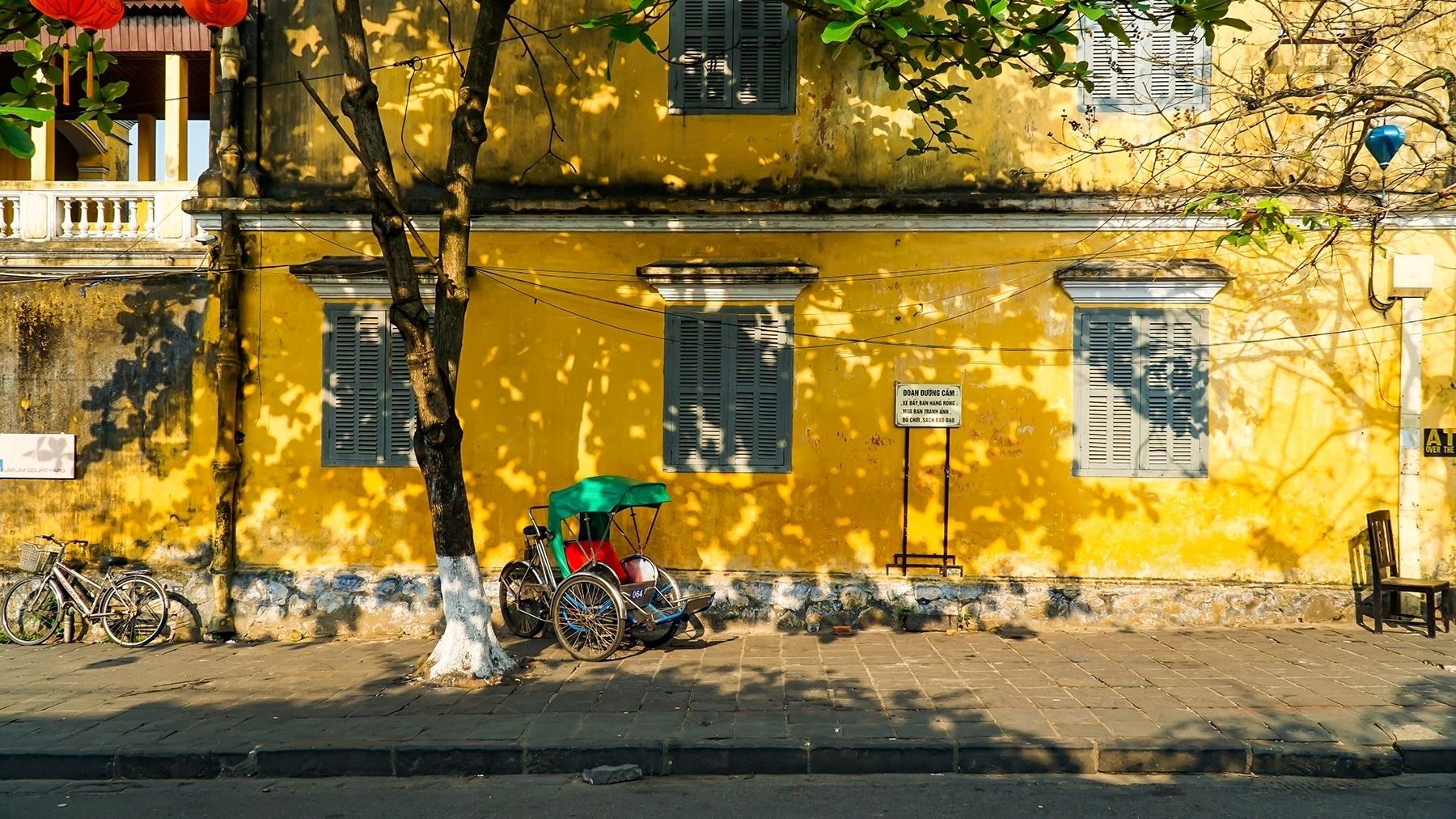
Chinese assembly halls, Japanese architectural elements, Vietnamese merchant houses and European influences all contributed to the distinctive character of the historic town.
Over time, changes in river conditions and the development of other regional ports reduced Hoi An’s importance as an international trading center. Paradoxically, this decline helped preserve much of the old town’s historic character because it experienced less large-scale urban redevelopment.
Hoi An as a UNESCO World Heritage Site
Hoi An Ancient Town was inscribed on the UNESCO World Heritage List in 1999.
The recognition reflects the exceptional preservation of its historic urban environment and its importance as an example of a Southeast Asian trading port.
For travelers, this means that visiting Hoi An is not simply about seeing individual attractions. The streets themselves are part of the heritage experience.
The relationship between buildings, streets, riverfront spaces and traditional activities is what makes the destination particularly distinctive.

The Architecture of Hoi An Old Town
One of the most enjoyable ways to experience Hoi An Ancient Town Vietnam is simply to walk.
The historic center is compact enough to explore on foot, and many of its most interesting details can easily be missed if you are moving too quickly.
Traditional Merchant Houses
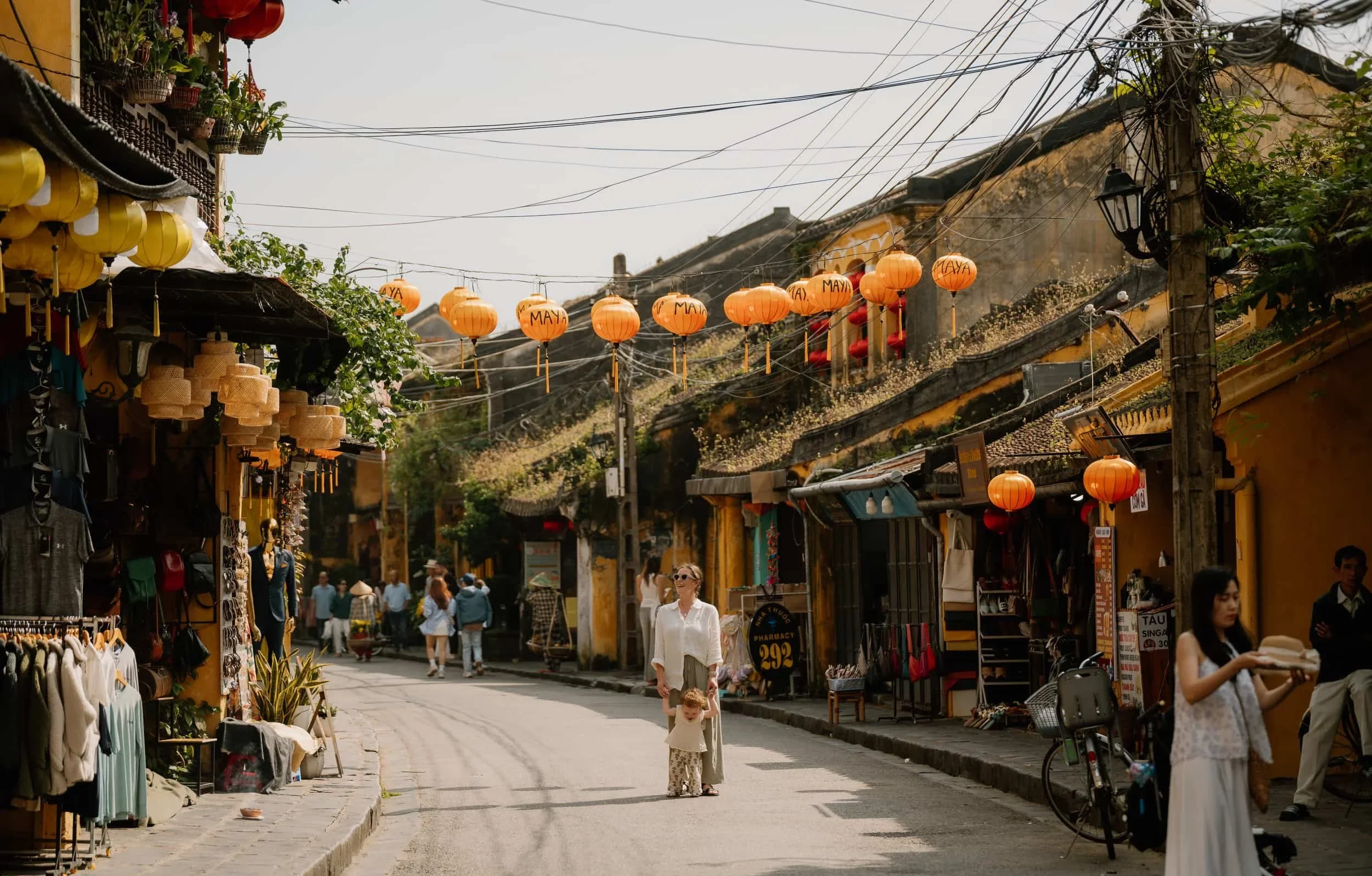
Hoi An’s traditional houses often feature narrow street-facing facades and long interiors extending toward the back.
This design reflected the practical needs of merchants. The front section could be used for commercial activities, while living areas were positioned deeper inside the property.
Many houses combine Vietnamese, Chinese and Japanese architectural influences, demonstrating the multicultural environment that developed around the old trading port.
Japanese Covered Bridge
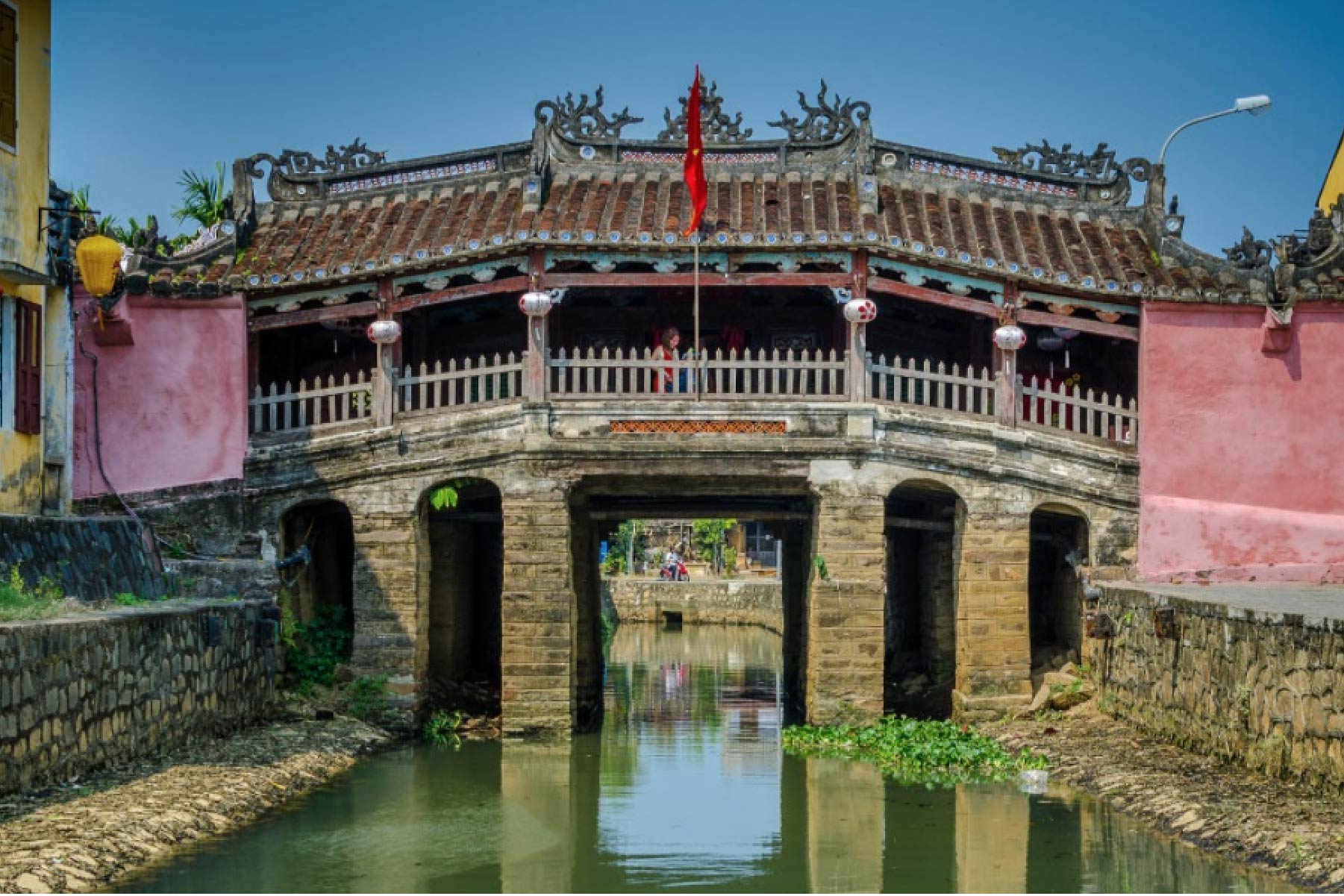
The Japanese Covered Bridge is one of Hoi An’s most recognizable landmarks.
Built to connect Japanese and Chinese merchant communities, the bridge represents the multicultural character of historic Hoi An.
Its distinctive roof and wooden structure have become one of the most photographed symbols of the city.
Rather than simply treating it as a photo stop, take time to walk around the surrounding streets. The architecture and small businesses nearby provide a better sense of how the landmark fits into the wider historic neighborhood.
Chinese Assembly Halls
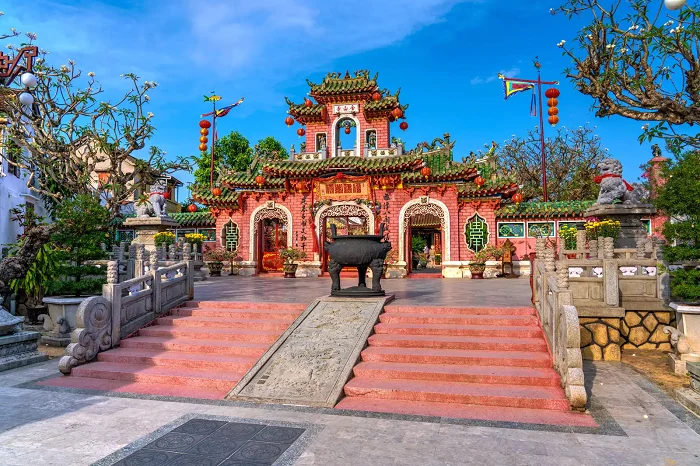
Several Chinese assembly halls are located throughout the Old Town.
These buildings served religious, social and community functions for Chinese merchant communities living and trading in Hoi An.
Their elaborate gates, courtyards, sculptures and decorative details provide an interesting contrast to the more restrained appearance of some traditional Vietnamese houses.
For travelers interested in architecture and cultural history, the assembly halls are among the places worth slowing down for.
Best Things to Do in Hoi An Ancient Town Vietnam
There is no single correct way to experience Hoi An. Some travelers focus on history and architecture, while others come for food, photography, shopping or simply the atmosphere.
Here are some of the experiences that deserve a place on your itinerary.
1. Walk Through the Old Town
The simplest experience is also one of the best.
Set aside a few hours to walk through the historic streets without trying to visit every attraction. Look at the details of the old houses, wooden shutters, tiled roofs, colorful signs and small courtyards.
Early morning is particularly pleasant if you prefer a quieter atmosphere.
2. Experience Hoi An at Night
After sunset, Hoi An takes on a completely different personality.
Lanterns illuminate the streets while restaurants and cafés begin to fill with visitors. The Thu Bon River becomes a focal point for evening activities, and the warm light reflected on the water creates one of the town’s most recognizable scenes.
The famous lantern atmosphere is beautiful, but it is worth remembering that Hoi An is still a living town rather than a theatrical recreation of the past.

3. Take a Boat Along the Thu Bon River
The river has always played an important role in Hoi An’s history.
A short boat ride provides another perspective of the town and is particularly atmospheric around sunset.
For couples, families or travelers looking for a slower experience, combining an afternoon walk through the Old Town with a river experience can be an enjoyable way to spend an evening.

4. Try Local Hoi An Cuisine
Food is an essential part of the Hoi An experience.
The town is known for several regional specialties, including Cao Lau, White Rose dumplings, Mi Quang, Com Ga Hoi An and various local street foods.
Cao Lau is particularly associated with Hoi An. The dish combines thick noodles with pork, herbs, vegetables and crispy toppings, creating a combination of textures that is quite different from many other Vietnamese noodle dishes.
White Rose dumplings are another local specialty, traditionally made from translucent rice flour wrappers filled with seasoned shrimp.
For food lovers, exploring Hoi An through its cuisine can be just as rewarding as visiting its historical landmarks.

5. Discover Local Craftsmanship
Hoi An has a long association with traditional craftsmanship.
Tailoring is particularly famous. Visitors can find numerous tailor shops offering custom-made clothing, from simple garments to more formal pieces.
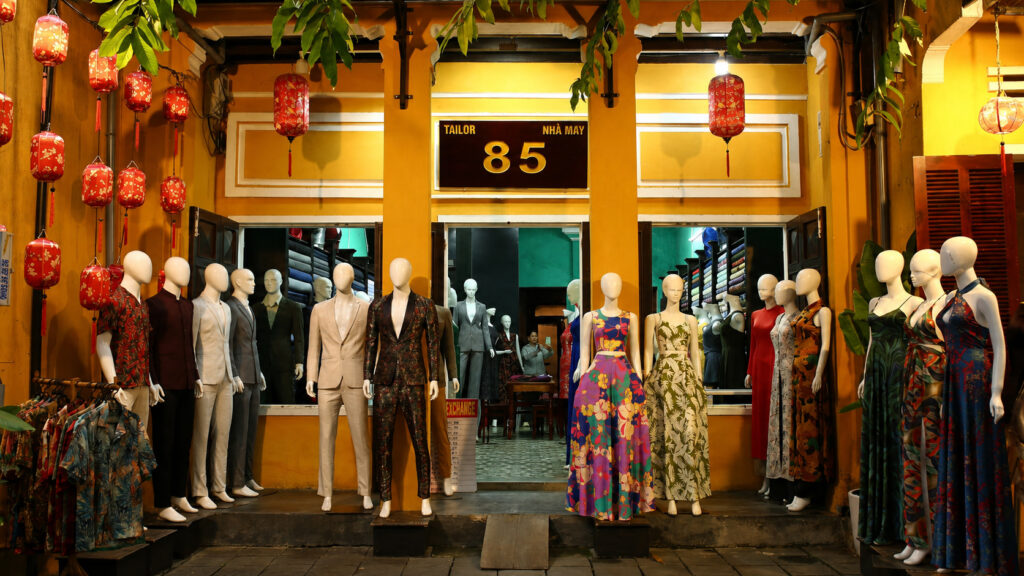
The town is also associated with lantern making, pottery, woodworking and other traditional crafts.
If you are interested in purchasing handmade products, take time to compare craftsmanship and materials rather than choosing solely based on price.

6. Visit Hoi An Central Market
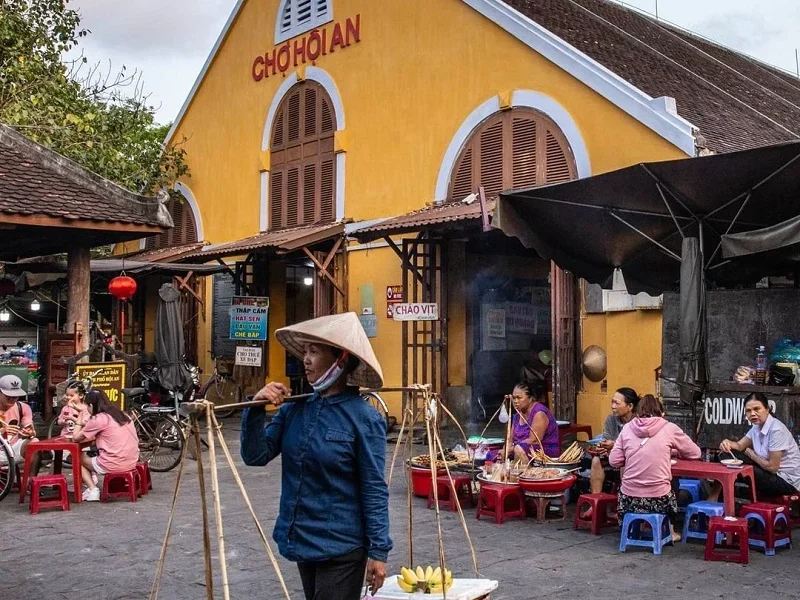
Hoi An Central Market is a lively place to experience local daily life.
It is especially interesting in the morning, when fresh produce, seafood, herbs and other ingredients are being brought into the market.
For travelers who want to understand Hoi An beyond its tourist streets, visiting a local market offers a glimpse into the routines that support everyday life in the town.
When Is the Best Time to Visit Hoi An?
The best time to visit Hoi An Ancient Town Vietnam depends on what kind of experience you want.
February to April
The period from February to April is often comfortable for exploring Hoi An, with relatively pleasant temperatures and conditions suitable for walking around the Old Town.
This can be a good choice for travelers who want to spend significant time outdoors.
May to August
The summer months can be hot, particularly during the middle of the day.
However, mornings and late afternoons can still be enjoyable, especially if you structure your itinerary around slower activities and take breaks during the hottest hours.
This period can also work well for combining Hoi An with a beach stay around Da Nang or the central coast.
September to January
The later months of the year bring a greater chance of rain and storms.
Hoi An’s location near the Thu Bon River means that weather conditions can occasionally affect the town, particularly during periods of heavy rainfall.
However, rainy days can also create a quieter and atmospheric side of Hoi An. Reflections on the wet streets and the warm light from cafés can create a completely different visual experience.
Before traveling during the wetter months, it is sensible to check the latest weather forecast and local conditions.
How Many Days Do You Need in Hoi An?
For a first visit, two to three days in Hoi An is usually enough to experience the highlights without feeling rushed.
A simple itinerary could look like this:
Day 1: Discover the Heritage
Spend the morning exploring the historic center and its architecture.
In the afternoon, take a break at a café or return to your accommodation to rest before heading back into town around sunset.
Spend the evening exploring the lantern-lit streets and enjoying local cuisine.
Day 2: Food, Culture and Local Experiences
Start with a local breakfast before visiting the market and exploring less crowded streets.
The afternoon can be dedicated to craftsmanship, tailoring or a cooking experience.
In the evening, enjoy the riverside atmosphere and explore more of the Old Town.
Day 3: Slow Travel Around Hoi An
Use the third day to experience the destination beyond the historic center.
You could explore nearby villages, spend time at the beach, cycle through the countryside or simply enjoy a slower resort day before continuing your journey.
This is particularly appealing for travelers who prefer to combine cultural exploration with relaxation.
Hoi An and Da Nang: Can You Visit Both?
Absolutely.
Hoi An and Da Nang are close enough to combine within the same trip, yet they offer noticeably different experiences.
Da Nang is a modern coastal city known for its beaches, urban infrastructure, restaurants and contemporary attractions.
Hoi An offers a slower rhythm centered around heritage, architecture, local food and traditional culture.
This makes the two destinations complementary rather than repetitive.
A traveler could spend several nights in Da Nang exploring the city and beaches, then continue toward Hoi An for a more relaxed cultural experience.
For visitors staying around the Non Nuoc and Marble Mountains area, Hoi An can also be incorporated naturally into a central Vietnam itinerary.
Discover more: Top 15 Da Nang City Attractions for an Unforgettable Trip
Hoi An Ancient Town for Families
Hoi An can be particularly enjoyable for families because the historic center is relatively compact and offers experiences for different age groups.
Children may enjoy lanterns, boat rides, local desserts and craft activities, while adults can appreciate the architecture, food and cultural heritage.
However, families should consider the weather when planning their day. Walking around the Old Town under strong midday sunlight can be tiring, particularly for younger children.
A more comfortable approach is to explore in the morning, rest during the hottest part of the day and return in the late afternoon.
This slower rhythm also fits the character of Hoi An itself.
Where to Stay When Visiting Hoi An?
Choosing where to stay depends largely on whether you want to prioritize cultural immersion, the beach or relaxation.
Staying in the Old Town
Staying near the historic center makes it easy to explore the streets early in the morning and return after dinner without a long journey.
This is a good choice for travelers who want to maximize their time experiencing the heritage area.
Staying Near the Beach
For travelers who prefer more space and relaxation, the coastal area between Da Nang and Hoi An offers a different experience.
You can spend part of the day exploring Hoi An Ancient Town Vietnam and return to a quieter beachfront environment afterward.
For families or larger groups, private villas can be particularly comfortable because they offer more space and privacy than a conventional hotel room.
The combination of cultural exploration during the day and a private, relaxed environment in the evening can make a longer central Vietnam holiday feel much more balanced.
Stay between Da Nang and Hoi An
Discover more: : Hoi An Where to Stay: A Complete Guide for First-Time & Returning Travelers – The Five Villas & Resort Quangnam Danang
Tips for Visiting Hoi An Ancient Town Vietnam
A few practical choices can make your experience considerably more comfortable.
Visit Early or Late in the Day
The middle of the day can be hot and busy.
Morning walks offer a quieter atmosphere, while late afternoon provides better light and naturally leads into the evening lantern experience.
Wear Comfortable Shoes
The best way to explore Hoi An is on foot.
Comfortable footwear is therefore more useful than fashionable shoes, especially if you plan to spend several hours walking through the historic center.
Respect the Heritage
Remember that many historic buildings are still connected to local families and communities.
Dress appropriately when entering religious or cultural sites, follow photography rules and avoid touching historic structures unnecessarily.
Do Not Try to See Everything
One of the biggest mistakes is treating Hoi An like a checklist of attractions.
The destination’s greatest strength is its atmosphere.
Leave some time to sit at a small café, watch the streets, observe local life or simply walk without a specific destination.
Why Hoi An Is Worth Experiencing Slowly
The most memorable moments in Hoi An Ancient Town Vietnam are not necessarily the ones listed on an itinerary.
It might be the quiet sound of a bicycle passing through a narrow street in the morning.
It might be the smell of freshly prepared Vietnamese food from a small restaurant.
It might be the warm light of lanterns appearing as daylight fades.
Or it might simply be sitting beside the river and watching the town move at its own pace.
Hoi An’s greatest attraction is the relationship between its past and present. Historic houses are still part of everyday life. Traditional food is still prepared for local communities. Crafts continue to be practiced. Festivals and cultural traditions remain part of the town’s identity.
That living quality is what makes the destination feel authentic.
A Timeless Journey Through Hoi An
For travelers searching for a destination that combines history, culture, architecture, food and relaxation, Hoi An Ancient Town Vietnam offers an experience that is difficult to replicate elsewhere.
Its heritage is visible in the buildings, but its character is found in the spaces between them: the narrow streets, the riverside, the local markets, the food stalls and the everyday rhythms of the people who call Hoi An home.
You can visit Hoi An in a single day and see its most famous landmarks.
But to truly appreciate it, slow down.
Walk through the Old Town in the morning. Taste something local. Follow the river. Discover a small workshop. Return at sunset when the lanterns begin to glow.
Then, perhaps, you will understand why Hoi An remains one of Vietnam’s most enduring destinations.
Hoi An is not simply a place to visit. It is a place to experience, slowly and completely.
Reservations & Contact
Hotline: (+84) 0235 2208 999
Fanpage: https://www.facebook.com/TheFiveVillasResorts
Website: https://quangnam.thefiveresorts.vn
📍 Address: The Five Villas & Resort Quangnam Danang, Lac Long Quan Street, Dien Ban Dong Ward, Da Nang city, Vietnam