

 T.Việt
 日本語
 中文
 한국어
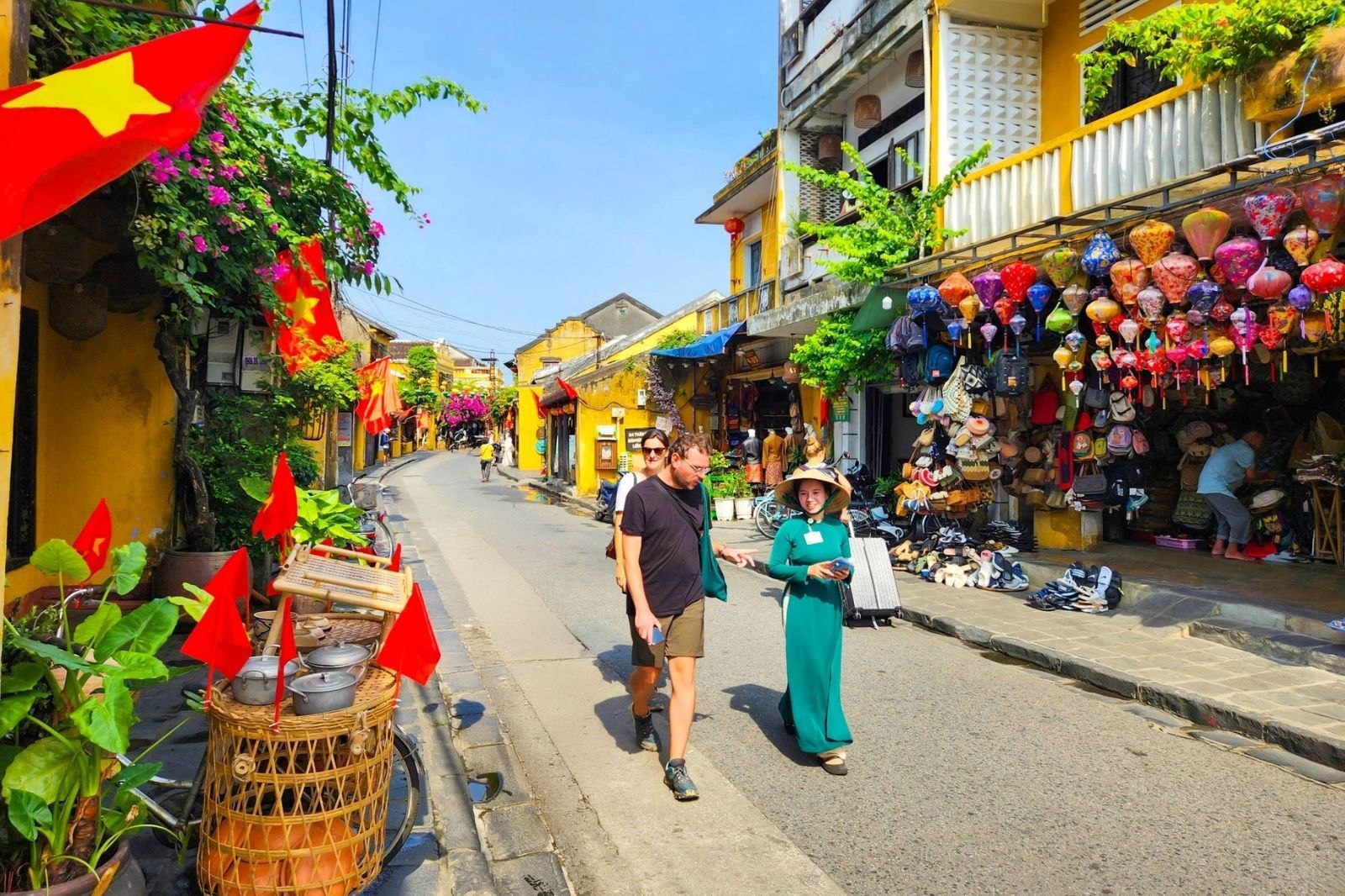
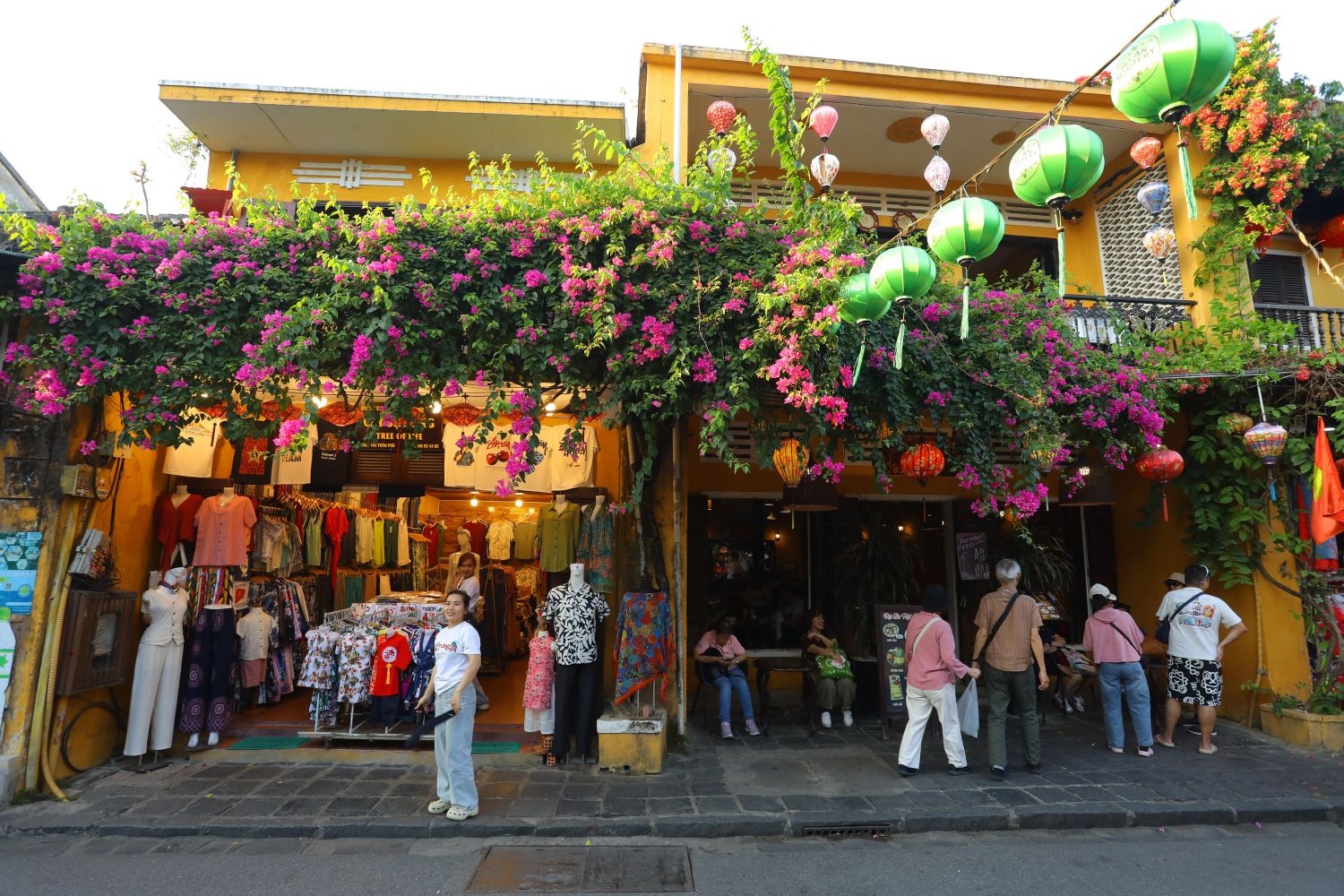
There is something distinctive about arriving in Hoi An Old Town as the afternoon light begins to soften. Mustard-yellow walls glow beneath terracotta roofs, wooden shopfronts reveal glimpses of another era, and the gentle rhythm of daily life unfolds along narrow streets. As evening approaches, colourful lanterns illuminate the historic buildings, creating an atmosphere that feels both nostalgic and wonderfully alive.
Located in central Vietnam, Hoi An is one of the country’s most celebrated cultural destinations. Recognised as a UNESCO World Heritage Site in 1999, Hoi An Ancient Town preserves the character of a historic trading port that flourished between the 15th and 19th centuries. Its architecture reflects centuries of cultural exchange between Vietnamese, Chinese, Japanese and European communities.
Yet the appeal of Hoi An Old Town extends far beyond its beautiful streets. Traditional houses, historic assembly halls, local markets, distinctive regional dishes and long-established craft traditions offer visitors a deeper understanding of the place and its people.
Whether you are visiting for the first time, planning a day trip from Da Nang or arranging a longer stay in central Vietnam, this guide explores the landmarks, food, cultural experiences and lesser-known corners that make Hoi An worth discovering at a slower pace.
1. Understanding the History and Culture of Hoi An Old Town
A Trading Port That Connected Cultures
Between the 15th and 19th centuries, Hoi An developed into an important international trading port. Merchants arrived from different parts of Asia and beyond, bringing goods, customs, religious practices and architectural influences that gradually shaped the town.
This history remains visible throughout Hoi An Old Town. Chinese assembly halls stand alongside Vietnamese family houses, while Japanese architectural elements can be seen in one of the destination’s most recognisable landmarks. European influences also contributed to the town’s distinctive streetscape.
Unlike destinations where historic districts exist primarily as preserved monuments, Hoi An retains a connection to everyday community life. Traditional buildings, family businesses, shops and places of worship continue to form part of the urban environment.
Exploring the town with this historical context in mind makes a visit more meaningful. Rather than seeing only a collection of photogenic buildings, travellers can begin to understand how trade, migration and cultural exchange helped shape the identity of Hoi An.
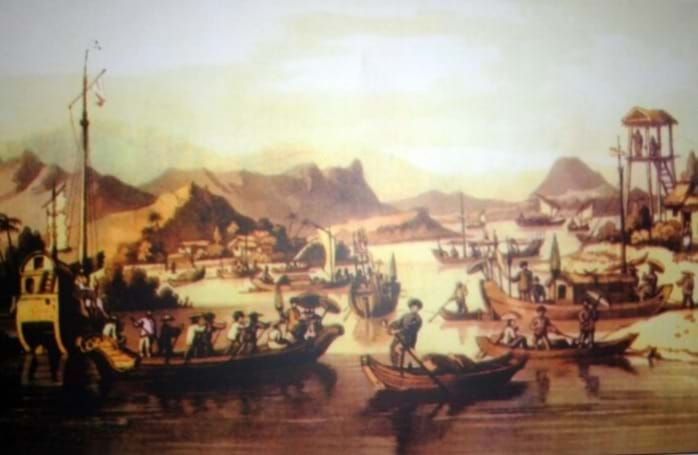
Why Hoi An Ancient Town Is a UNESCO World Heritage Site
Hoi An Ancient Town was inscribed on the UNESCO World Heritage List in 1999 because it represents an exceptionally well-preserved example of a traditional Southeast Asian trading port.
Its significance lies in the relationship between the original street plan, historic architecture and the cultural influences accumulated over centuries. The heritage area preserves a remarkable collection of traditional buildings, including merchant houses, religious structures, assembly halls and communal spaces.
For visitors, this means that the experience is not limited to a single attraction. The character of Hoi An Old Town emerges through the details: timber balconies, tiled roofs, carved wooden doors, courtyards and narrow streets that connect one historic building to another.
Respecting this heritage is an important part of visiting. Travellers should follow local access rules, avoid touching fragile architectural features and remember that some historic houses remain connected to the private lives of local families.
2. The Best Things to Do in Hoi An Old Town
Visit the Japanese Covered Bridge
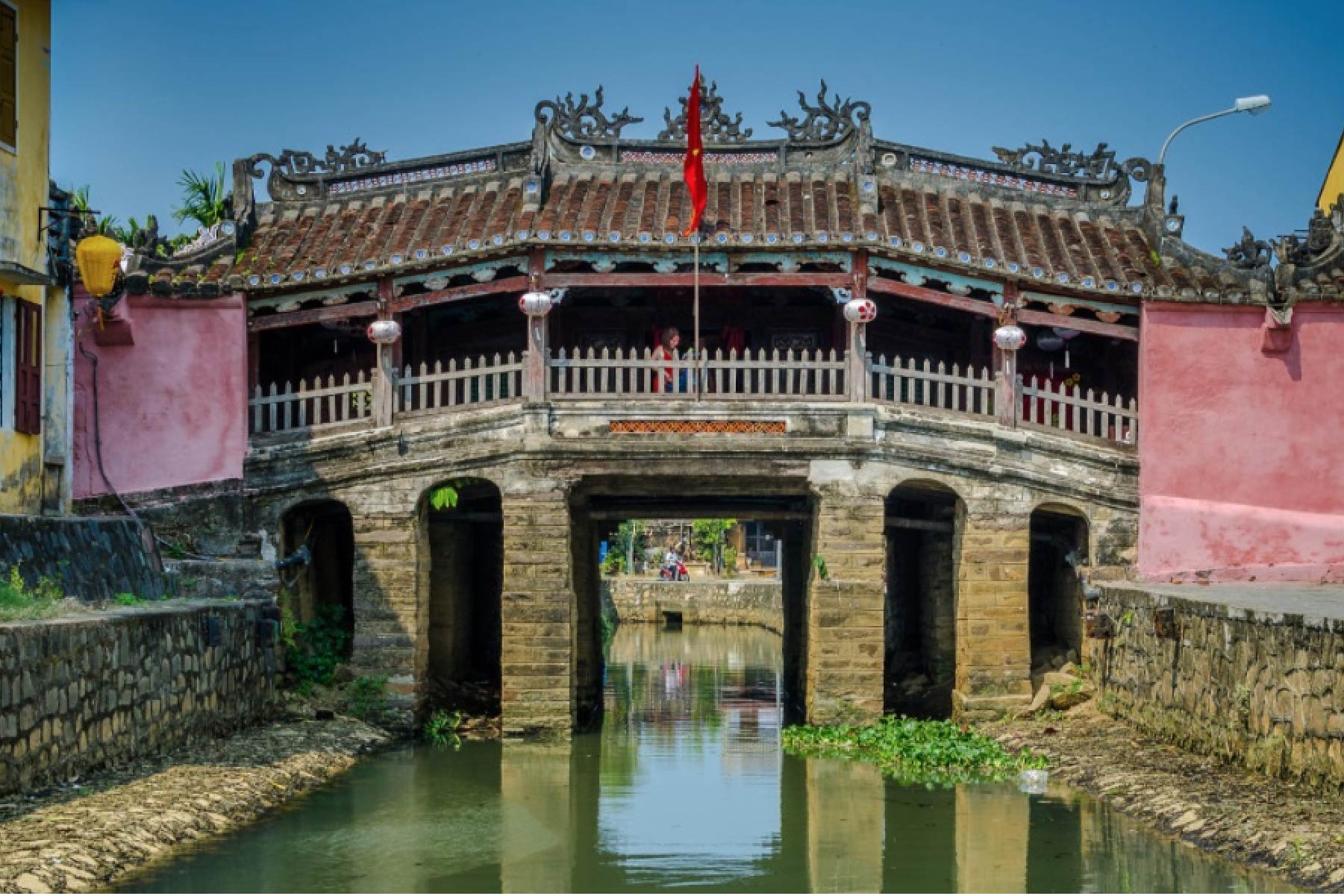
The Japanese Covered Bridge, known in Vietnamese as Chùa Cầu, is one of the most recognisable landmarks in Hoi An Old Town. Built around the late 16th to early 17th century, the bridge reflects the historical presence of Japanese merchants in the trading port.
Its wooden structure, traditional roof and distinctive design make it an important architectural landmark. More than a popular photography location, the bridge represents the connections between the communities that once traded and lived in Hoi An.
Take time to observe the surrounding streets rather than simply stopping for a photograph. The nearby historic houses and small lanes provide a broader sense of the town’s architectural character.
Because the bridge is a major attraction, it can become crowded during peak sightseeing hours. Visiting earlier in the day or returning when the surrounding streets are illuminated in the evening can offer a different perspective.
Check current access arrangements before visiting, as conservation work and visitor regulations may affect entry.
Explore Tan Ky Old House
Tan Ky Old House is an excellent place to understand how prosperous merchant families once lived and worked in Hoi An.
The house, which dates back more than two centuries, combines architectural influences associated with Vietnamese, Chinese and Japanese traditions. Its interior features timber structures, carved decorative details and spaces designed to accommodate both family life and commercial activities.
As you move through the house, notice how the layout reflects the needs of a merchant household. Historic homes in Hoi An often incorporated areas for receiving visitors, conducting business and maintaining family privacy within a relatively compact footprint.
Tan Ky Old House offers a valuable contrast to the town’s colourful streets. It reveals the quieter domestic spaces behind the historic façades and helps visitors appreciate the craftsmanship involved in traditional construction.

Discover the Fujian Assembly Hall
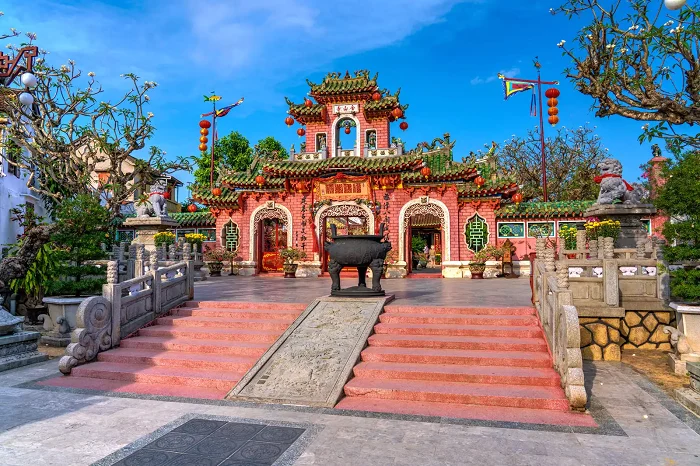
The Fujian Assembly Hall, also known as Phuc Kien Assembly Hall, is one of the most notable Chinese heritage sites in Hoi An Old Town.
Originally established by the Fujian Chinese community, the complex is associated with community gatherings, cultural traditions and religious worship. Its decorative gates, courtyards, ornamental details and ceremonial spaces reflect the influence of Chinese architecture and craftsmanship.
The assembly hall provides insight into how immigrant communities maintained cultural connections while becoming part of Hoi An’s wider trading society.
Visitors interested in architecture should look beyond the main entrance to appreciate the layered composition of the complex. Decorative motifs, traditional symbols and carefully arranged spaces all contribute to its cultural significance.
When visiting religious sites, dress respectfully, keep noise to a minimum and follow any photography restrictions.
Walk Along the Thu Bon River
The Thu Bon River has long played an important role in the history and development of Hoi An.
Today, the riverside offers a different atmosphere from the busiest shopping streets. Traditional buildings, riverside cafés and small boats create a setting that encourages visitors to slow down and observe the town from another perspective.
An afternoon walk is ideal for appreciating the relationship between Hoi An and the water that once supported its commercial life. As sunset approaches, the changing light brings out the warm colours of the buildings, while the river reflects the movement of boats and evening activity.
Boat rides are also available, although services, routes and prices vary. If you choose to take a ride, agree on the price and duration beforehand and follow local safety guidance.
For travellers who prefer a quieter experience, simply finding a comfortable riverside spot and watching the town transition from afternoon to evening can be just as rewarding.
3. A Taste of Hoi An: Local Food You Should Not Miss
Food is an essential part of discovering Hoi An Old Town. The town’s culinary identity reflects regional ingredients, local cooking traditions and the historical exchange of influences that shaped central Vietnam.
From simple noodle dishes to delicate dumplings, many local specialities are best enjoyed slowly, allowing time to appreciate their flavours and textures.
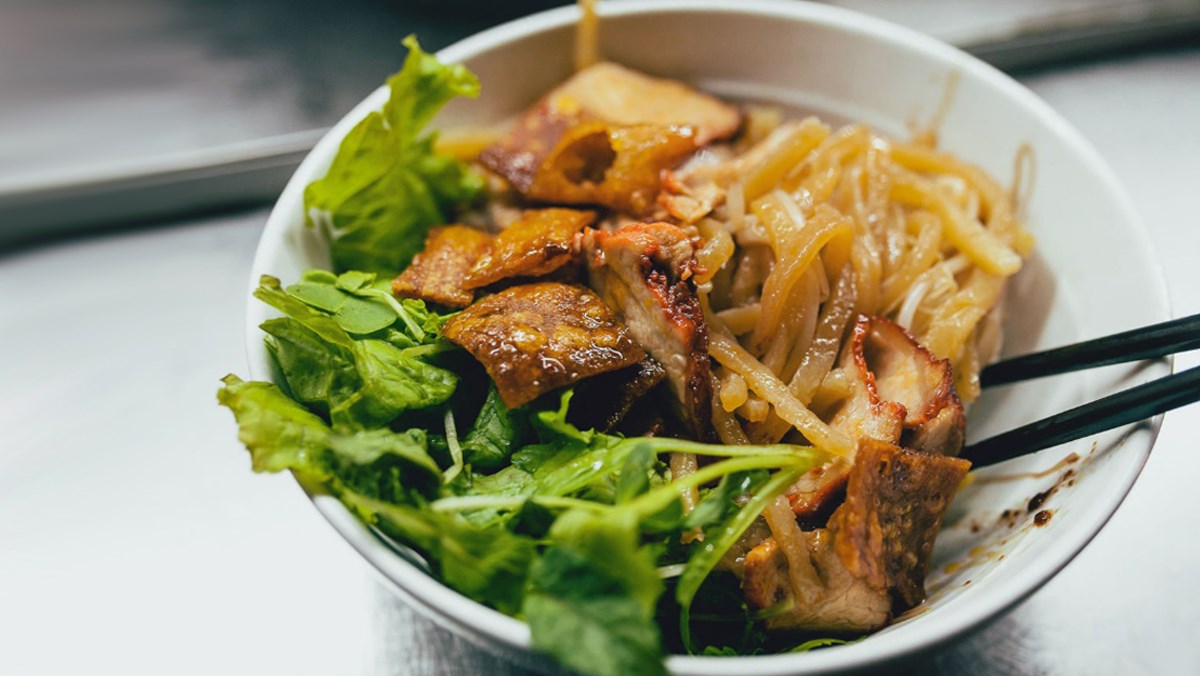
Cao Lau: Hoi An’s Signature Noodle Dish
Cao lau is one of the dishes most closely associated with Hoi An. It typically features thick, chewy rice noodles topped with slices of pork, fresh herbs, bean sprouts and crispy accompaniments, served with a relatively small amount of concentrated sauce or broth.
Its distinctive texture sets it apart from many other Vietnamese noodle dishes. The combination of savoury pork, fresh greens and crunchy elements creates a satisfying balance without relying on a large quantity of soup.
Cao lau is deeply connected to Hoi An’s local culinary heritage, and traditional preparation methods have contributed to its reputation as a regional speciality.
For a more complete food experience, try cao lau at lunchtime in a local restaurant, when the dish can be enjoyed as part of the town’s everyday dining culture.
White Rose Dumplings: A Delicate Local Speciality
White Rose dumplings, or banh bao banh vac, are another signature of Hoi An cuisine.
These delicate steamed dumplings are shaped to resemble small white flowers. They are commonly filled with shrimp or pork and served with savoury dipping sauce, crispy shallots or fried garlic.
Their appeal lies in their delicate appearance and subtle flavour. Unlike heavier fried snacks, White Rose dumplings offer a lighter way to explore the town’s culinary traditions.
They are particularly suitable for sharing, allowing travellers to sample several local dishes during one meal.

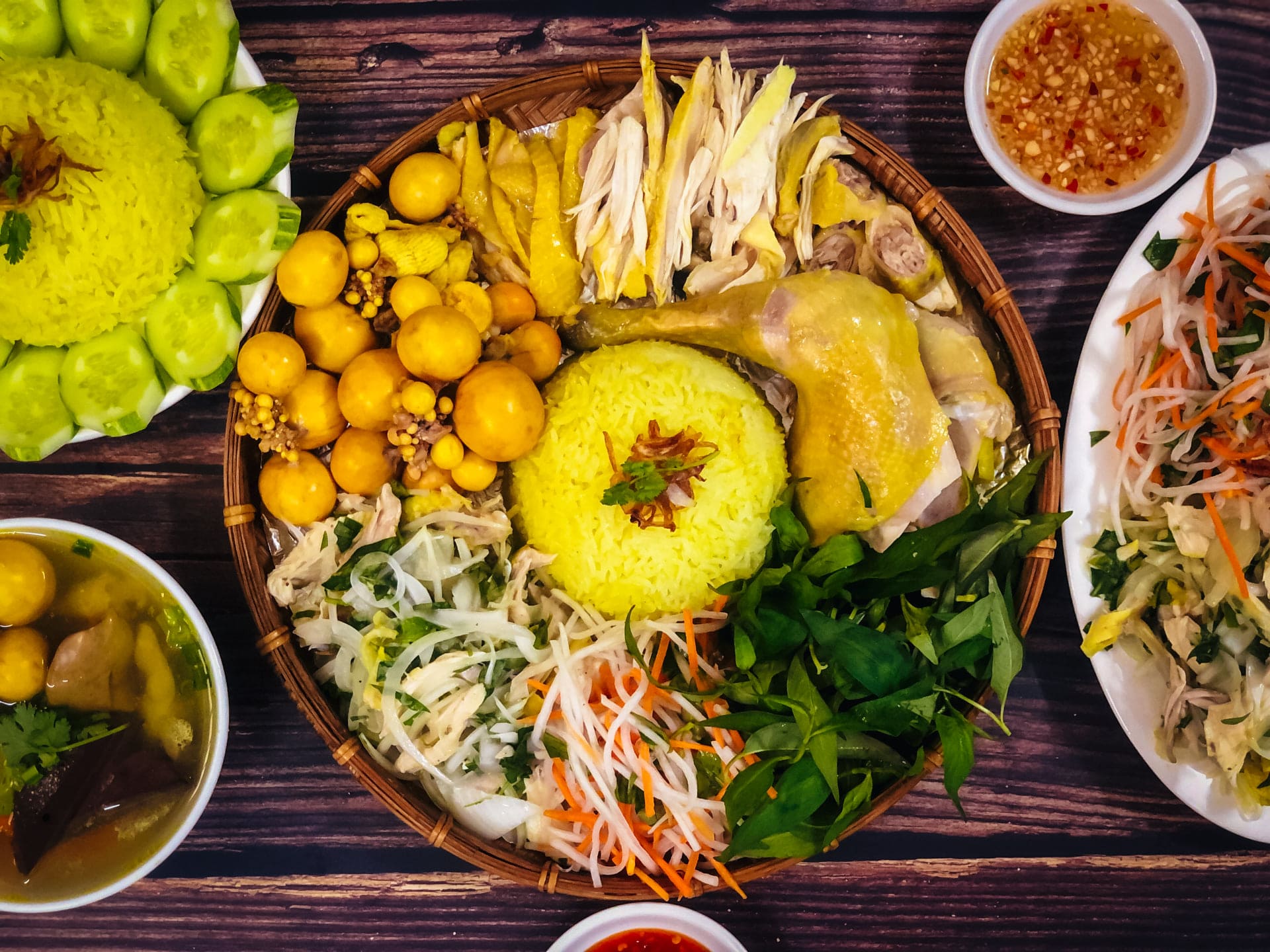
Hoi An Chicken Rice
Hoi An chicken rice, known as com ga, is a comforting regional dish made with fragrant rice, tender chicken, herbs and a side of pickled or fresh vegetables.
The rice is often cooked with chicken stock, giving it a rich flavour and appealing golden colour. Shredded chicken, aromatic herbs and a tangy accompaniment complete the dish.
Although chicken rice can be found throughout Vietnam, the Hoi An version has developed its own local character. It is an excellent choice for lunch when you want something filling without committing to a long restaurant meal.
Banh Mi and Local Street Food
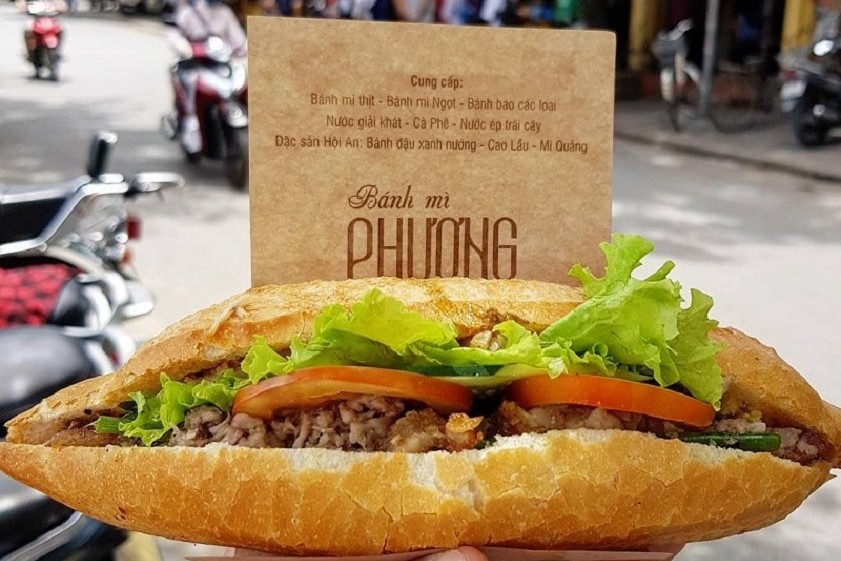
Banh mi is one of Vietnam’s best-known everyday foods, and Hoi An has become particularly famous for its sandwiches.
A typical banh mi combines a crisp baguette with a variety of fillings, which may include grilled or roasted meats, pâté, pickled vegetables, herbs and sauces. Different vendors offer their own combinations, making it worthwhile to explore beyond a single famous shop.
Hoi An’s food scene also includes mi Quang, savoury Vietnamese pancakes known as banh xeo, grilled pork with fresh herbs, and sweet local snacks.
The central market is a useful place to explore regional flavours in a lively setting. For a more relaxed meal, look for small family-run restaurants away from the busiest pedestrian streets.
If you have dietary restrictions or food allergies, ask about ingredients and preparation methods before ordering. Traditional dishes may contain fish sauce, shellfish, peanuts or other ingredients that are not immediately obvious.
4. Hidden Gems in Hoi An Old Town and Beyond
Wander Through Small Alleys Away from the Main Streets
One of the most rewarding ways to explore Hoi An Old Town is to leave the busiest streets and follow smaller lanes whenever public access allows.
These quieter corners reveal architectural details that are easy to overlook when following a conventional sightseeing route. Wooden shutters, weathered walls, small courtyards and potted plants create a more intimate picture of the town.
Early morning is particularly appealing for travellers who want to photograph the streets without large crowds. You may also see shopkeepers preparing their premises and residents beginning their daily routines.
Remember that not every narrow passage is a public thoroughfare. Some lead into private homes or business premises, so always respect signs, barriers and residents’ privacy.
Visit the Hoi An Central Market Early
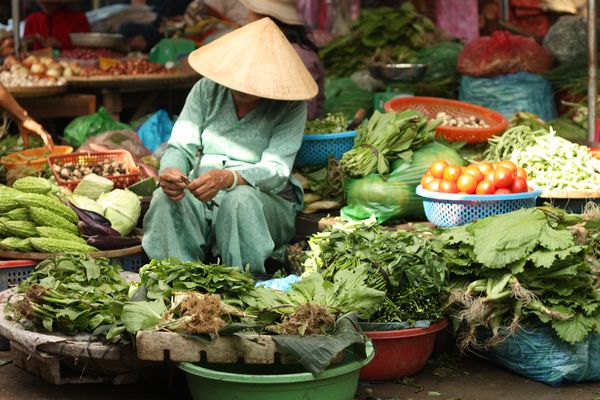
Hoi An Central Market offers a glimpse into the everyday rhythms of local commerce.
Arriving in the morning gives visitors an opportunity to see fresh produce, herbs, seafood and other ingredients being sold before the busiest tourist hours. The market also provides an introduction to the ingredients that appear in the region’s traditional dishes.
Rather than treating the market only as a photography stop, take time to observe how vendors arrange their goods and how local customers select ingredients.
If you plan to eat there, look for stalls with a steady flow of customers and food that is freshly prepared. Carry small amounts of Vietnamese dong for purchases and ask permission before photographing vendors or their customers.
Discover more: Things to Do in Hoi An: Top Experiences You Can’t Miss – The Five Villas & Resort Quangnam Danang
Explore Hoi An’s Traditional Craft Heritage
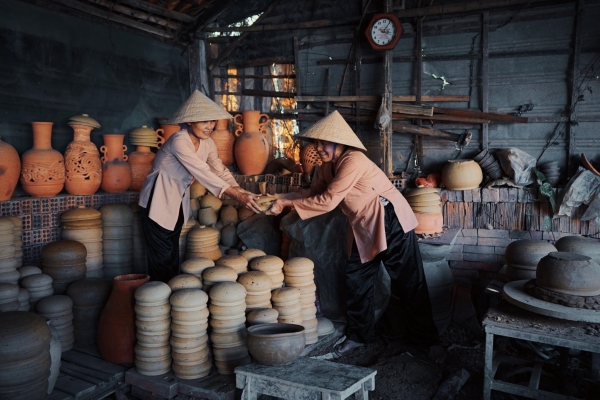
Hoi An’s cultural identity extends beyond its historic architecture. Traditional crafts, tailoring, lantern-making and other forms of local craftsmanship remain important parts of the visitor experience.
A lantern-making workshop can be a particularly engaging activity for families or travellers interested in hands-on cultural experiences. Depending on the workshop, participants may learn about the materials, shapes and assembly techniques used to create decorative lanterns.
Tailoring is another long-established part of Hoi An’s visitor economy. If you intend to order custom clothing, allow sufficient time for measurements, fittings and alterations rather than expecting every order to be completed immediately.
Choose workshops that explain their techniques and treat traditional practices respectfully. Supporting local craftspeople can help make a visit more meaningful than purchasing mass-produced souvenirs alone.
Discover Tra Que Vegetable Village
Located outside the main heritage streets, Tra Que Vegetable Village is known for its agricultural traditions and fresh produce.
The village provides a contrast to the busier atmosphere of Hoi An Old Town. Its growing areas and farming activities offer insight into the relationship between local food culture and the surrounding countryside.
Depending on the season and available activities, visitors may be able to join guided farming experiences or cooking classes that introduce regional herbs and vegetables.
Plan the visit in advance, especially if you want to participate in a workshop. Choose an experience that respects local working routines and avoids treating an active agricultural community merely as a backdrop for photographs.
Tra Que is best considered an additional stop for travellers who have more than a few hours in Hoi An and want to explore beyond the main heritage area.

5. Experience Hoi An Old Town After Dark
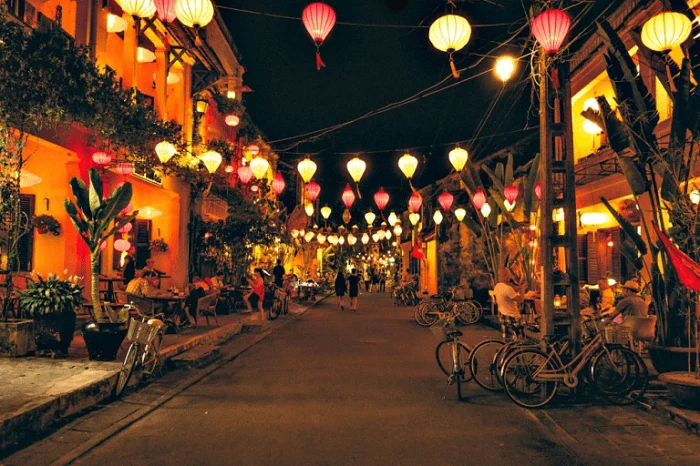
As daylight fades, Hoi An Old Town takes on a different character. Lanterns illuminate shopfronts, the riverside becomes livelier, and restaurants and cafés welcome visitors looking for dinner or a place to unwind.
The evening is an ideal time to revisit streets that felt different during the day. Warm lighting highlights the architecture, while the combination of traditional music, street food and riverside activity creates a distinctive atmosphere.
Enjoy the Lantern-Lit Streets
Lanterns have become one of Hoi An’s most recognisable visual symbols. Walking through the illuminated streets offers plenty of opportunities to appreciate the town’s colours, architecture and evening ambience.
For photography, try including more than the lanterns themselves. Framing a traditional doorway, a shopfront or a reflection in the river can help capture the character of the setting.
Be considerate when taking photographs in crowded areas. Avoid blocking narrow walkways, entering private spaces without permission or disturbing residents.
Visit the Night Market
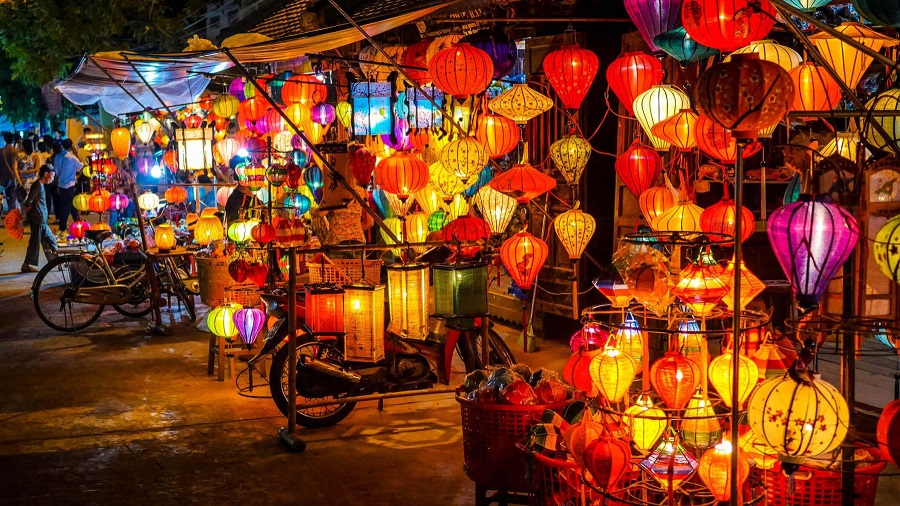
Hoi An’s night market is a popular stop for souvenirs, decorative lanterns, handicrafts and casual food.
It can be busy, especially on weekends and during peak travel periods. Browse at an unhurried pace, compare prices and check the quality of items before purchasing.
The market is also a convenient place to sample snacks or find a small gift to take home. However, visitors seeking a quieter evening may prefer to explore the riverside and surrounding lanes before returning to the market later.
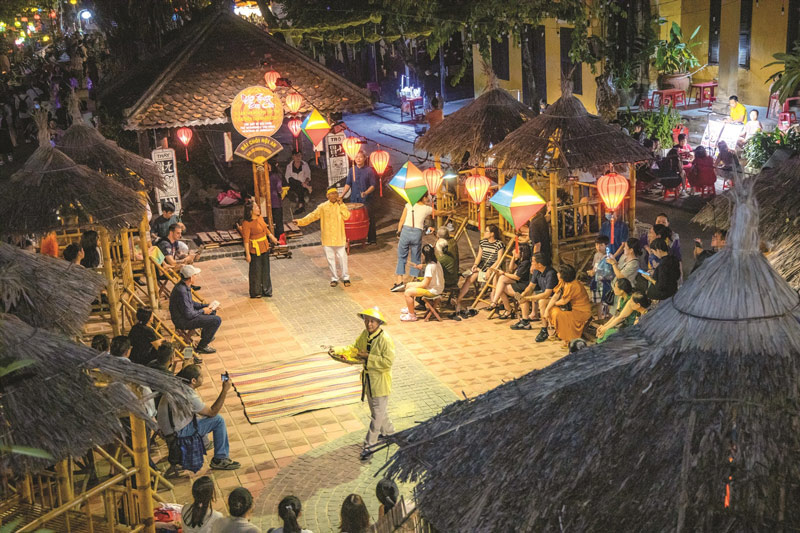
Look for Traditional Cultural Performances
Cultural activities in Hoi An may include traditional music, folk games and performances that introduce visitors to the region’s intangible heritage.
Bai choi, a traditional form of folk performance and community entertainment associated with central Vietnam, is particularly worth learning about when opportunities are available.
Schedules and performance locations can change, so check current listings from official local tourism or heritage authorities rather than relying on an old itinerary.
The best approach is to treat these performances as an opportunity to understand local traditions, not simply as entertainment between shopping stops.
6. Best Time to Visit Hoi An Old Town
Hoi An can be visited throughout the year, but weather conditions influence how comfortable it is to explore the streets, enjoy outdoor dining and arrange excursions.
February to April: A Comfortable Period for Sightseeing
The period from February to April is often considered favourable for exploring central Vietnam. Conditions are generally more comfortable for walking, sightseeing and outdoor activities than during the hottest or wettest parts of the year.
This period can be suitable for travellers who want to combine Hoi An Old Town with beaches, countryside excursions and visits to nearby attractions.
May to August: Sunny Days and Warm Evenings
The warmer months can offer plenty of opportunities for photography, cycling and coastal activities. However, daytime temperatures may be high, so plan outdoor sightseeing for early morning or late afternoon.
Drink water regularly, wear sun protection and take breaks in cafés or shaded areas. If you are travelling with children or older family members, a slower itinerary will make the experience more comfortable.
September to January: Rainy Weather and Seasonal Considerations
The later months of the year can bring heavier rain, and central Vietnam may experience storms or flooding during periods of adverse weather.
Conditions vary from year to year, so check the forecast and local advisories before travelling. River levels, road access and outdoor activities may be affected during severe weather.
Regardless of the season, visiting Hoi An Old Town early in the morning or later in the afternoon is often a practical way to avoid the strongest midday heat and experience a different side of the town.
7. A One-Day Itinerary for Hoi An Old Town
If you have only one day, a well-paced itinerary can cover the main heritage landmarks, local cuisine and evening atmosphere without making the experience feel rushed.
Morning: Explore the Historic Streets
Start early, when the streets are generally quieter and the light is favourable for photography.
Walk through the historic centre, visit the Japanese Covered Bridge and explore selected heritage buildings such as Tan Ky Old House or Fujian Assembly Hall. Check ticket arrangements and opening hours before setting out.
Pause at a local café for Vietnamese coffee and allow time to appreciate the details of the traditional streetscape.
Lunch: Sample Hoi An’s Signature Dishes
Choose a local restaurant or market stall and try one or two regional specialities.
Cao lau is an excellent starting point, while chicken rice and White Rose dumplings provide additional ways to explore the local cuisine.
Rather than squeezing too many meals into a short period, focus on a few dishes and enjoy them at a relaxed pace.
Afternoon: Discover Craft Shops and Riverside Views
Spend the afternoon exploring smaller streets, local craft shops and the Thu Bon River.
If you have additional time, consider visiting Tra Que Vegetable Village or joining a lantern-making workshop. These activities work best when arranged in advance and when enough time is available to travel between locations.
Alternatively, stay in the heritage area and enjoy a slower afternoon with a café stop and a closer look at traditional architecture.
Evening: Lanterns, Dinner and the Night Market
Return to the riverside as the light changes and explore the illuminated streets.
Enjoy dinner at a restaurant serving Vietnamese or central Vietnamese cuisine, then browse the night market if it interests you.
This itinerary can be adapted to your preferences. Travellers focused on history may spend longer inside heritage buildings, while food lovers may prefer a guided tasting experience or additional time at the market.
8. Practical Travel Tips for Visiting Hoi An Old Town
Entrance Tickets and Heritage Site Access
Hoi An’s visitor ticket system supports the conservation of its cultural heritage. According to the Hoi An World Cultural Heritage Conservation Center’s January 2026 announcement, the published ticket options include VND 80,000 and VND 120,000, with different combinations of heritage-site access.
The announcement also states that tickets can be used during a stay of up to three days, subject to the stated conditions. Visitor regulations, prices and access arrangements may change, so confirm the latest information before your visit.
Getting to Hoi An from Da Nang
Da Nang International Airport is the main air gateway for travellers visiting Hoi An.
The journey from Da Nang to Hoi An typically takes around 45 to 60 minutes by car, depending on the starting point, traffic and road conditions. Travellers can arrange a private transfer, use a taxi or ride-hailing service where available, or select another suitable transport option.
If you are staying in a resort or hotel outside the historic centre, check whether shuttle services are available and confirm the return arrangements before leaving.
What to Wear and Bring
Comfortable walking shoes are useful because exploring Hoi An involves walking along paved streets, uneven surfaces and crowded pedestrian areas.
Bring sunscreen, a hat, drinking water and a light rain jacket when appropriate. During the hotter months, breathable clothing will make daytime sightseeing more comfortable.
For temples, assembly halls and other religious or cultural spaces, choose respectful clothing and follow any site-specific requirements.
Responsible Travel in a Living Heritage Town
Hoi An’s charm depends on both its historic buildings and the people who continue to live and work among them.
Support local businesses when possible, dispose of rubbish responsibly and avoid damaging historic structures for photographs. Ask before taking close-up pictures of residents, vendors or private interiors.
Travellers should also be cautious around crowded riverside areas and follow safety guidance when participating in boat rides or other water-based activities.
A thoughtful approach helps preserve the qualities that make Hoi An Old Town distinctive for future visitors and the local community.
9. Where to Stay When Visiting Hoi An Old Town
Choosing the right accommodation can make your Hoi An trip more enjoyable. Here are three options to consider:
9.1. Near Hoi An Old Town: Immerse Yourself in Local Life
Stay close to the historic streets, traditional markets and local restaurants to experience Hoi An’s authentic atmosphere. However, crowded streets and limited vehicle access can make getting around more challenging, especially during peak hours.
9.2. Da Nang City: Space and Convenience
With a wider choice of hotels, restaurants and entertainment, Da Nang is ideal for travellers seeking urban convenience. Located approximately 30 km from Hoi An Old Town, it takes around 45 minutes by car, making a day trip easy to arrange.
9.3. Between Da Nang and Hoi An: A Peaceful Coastal Retreat
Our top recommendation is to stay along the coastline between Da Nang and Hoi An. Beachfront resorts offer a peaceful setting away from the busy city centres while providing convenient access to both destinations.
For families and groups seeking privacy, spacious accommodation and a relaxing seaside escape, The Five Villas & Resort Quangnam Danang, located along Non Nuoc Beach, is an excellent choice. Enjoy exploring Hoi An Old Town by day and returning to the comfort of your private-pool villa for a more relaxed evening.
This option offers the best balance of cultural exploration, coastal relaxation and convenience for discovering central Vietnam.
Discover more: Best Places to Stay in Hoi An Near the Beach and Old Town (2026 Guide) – The Five Villas & Resort Quangnam Danang

Conclusion: Discover the Many Sides of Hoi An Old Town
Hoi An Old Town offers more than beautiful architecture and lantern-lit streets. Its lasting appeal comes from the relationship between history, cultural exchange, local food and everyday community life.
From the Japanese Covered Bridge and historic merchant houses to cao lau, White Rose dumplings and the lively central market, each experience reveals a different aspect of the town’s identity. Wandering through quieter lanes, discovering traditional crafts and watching the Thu Bon River at sunset can be just as memorable as visiting the most famous landmarks.
Whether you spend a single day exploring the heritage streets or several days discovering the surrounding countryside and coastline, allow yourself enough time to enjoy Hoi An without rushing from one attraction to the next.
With thoughtful planning and an appreciation for its living heritage, Hoi An Old Town becomes more than a destination on an itinerary. It becomes an opportunity to experience the cultural richness, culinary traditions and gentle pace of central Vietnam.
Frequently Asked Questions About Hoi An Old Town
Is Hoi An Old Town worth visiting?
Yes. Hoi An Old Town is worth visiting for its well-preserved historic architecture, cultural landmarks, regional cuisine, traditional crafts and atmospheric riverside setting. It is particularly appealing to travellers interested in history, photography and food.
How many days do you need in Hoi An Old Town?
One day is enough to visit several major landmarks, sample local dishes and experience the evening atmosphere. Two or three days allow more time for craft workshops, countryside excursions, beaches and a more relaxed exploration of the surrounding area.
What is the best time of day to visit Hoi An Old Town?
Early morning is ideal for quieter streets and comfortable walking conditions. Late afternoon and evening are popular for riverside views, lantern-lit streets, dining and the night market.
What food should you try in Hoi An?
Start with cao lau, Hoi An chicken rice, White Rose dumplings and banh mi. Mi Quang, banh xeo and local sweets are also worth trying if you have more time.
Can you visit Hoi An Old Town from Da Nang in one day?
Yes. A day trip from Da Nang is practical for travellers who want to explore the main heritage sites, enjoy local food and stay for the evening atmosphere. Allow sufficient time for transport in both directions and check local conditions before travelling.
Is an entrance ticket required to explore Hoi An Old Town?
Visitor ticket requirements and access rules depend on the current regulations and the heritage sites you intend to enter. Consult the official Hoi An World Cultural Heritage Conservation Center for the latest ticket prices, inclusions and entry arrangements before your visit.
What makes Hoi An Old Town different from other destinations in Vietnam?
Hoi An stands out for its preserved historic trading-port architecture, the visible combination of Vietnamese and foreign cultural influences, and its distinctive local cuisine. Its heritage streets remain connected to everyday community life, giving visitors an opportunity to experience history within a living town.
Reservations & Contact
Hotline: (+84) 0235 2208 999
Fanpage: https://www.facebook.com/TheFiveVillasResorts
Website: https://quangnam.thefiveresorts.vn
📍 Address: The Five Villas & Resort Quangnam Danang, Lac Long Quan Street, Dien Ban Dong Ward, Da Nang city, Vietnam