

 T.Việt
 日本語
 中文
 한국어

Traveling from Hoi An to Hue is one of the most rewarding journeys in Central Vietnam. Connecting two destinations with very different characters, this route takes visitors from the lantern-lit streets and riverside charm of Hoi An to the historic grandeur of Hue, Vietnam’s former imperial capital.
Although the two cities are relatively close geographically, the journey offers much more than a simple transfer. Along the way, travelers can discover the coastal scenery of Da Nang, the winding roads of Hai Van Pass, the peaceful beauty of Lang Co Bay and the spectacular landscapes where mountains meet the sea.
Whether you are planning a private road trip, looking for an affordable bus connection or hoping to experience one of Vietnam’s most scenic railway journeys, understanding your transportation options will help you make the most of your time.
This guide covers everything you need to know about traveling from Hoi An to Hue, including the distance, journey time, transportation options, recommended stops and practical travel tips.

1. How Far Is Hoi An to Hue?
The distance from Hoi An to Hue is approximately 125–130 kilometers by road, depending on the route and your starting point. The journey generally takes between 3 and 3.5 hours by direct road transfer, although traveling via Hai Van Pass with sightseeing stops can extend the trip to approximately 4–5 hours.
The route passes through Da Nang before continuing north toward Hue, making it an excellent opportunity to experience several highlights of Central Vietnam in one journey.

Hoi An to Hue Distance and Travel Time
Here is a general overview of the journey:
| Travel information | Details |
| Starting point | Hoi An, Quang Nam |
| Destination | Hue, Vietnam |
| Distance | Approximately 125–130 km |
| Direct driving time | 3–3.5 hours |
| Scenic route via Hai Van Pass | 4–5 hours with stops |
| Main connecting city | Da Nang |
| Recommended travel duration | Half a day |
Actual travel times depend on traffic conditions, weather, road selection and the number of sightseeing stops.
What Is the Best Route from Hoi An to Hue?
There are two main road routes connecting Hoi An and Hue.
Route 1: Via Hai Van Tunnel
This is the more practical option for travelers who want to reach Hue quickly. After passing through Da Nang, vehicles use the Hai Van Tunnel to cross the mountain range before continuing toward Lang Co and Hue.
The tunnel significantly reduces travel time and is commonly used by buses, tourist vans and private cars.

Route 2: Via Hai Van Pass
For travelers who enjoy scenic road trips, the Hai Van Pass route is a more memorable alternative.
Instead of passing through the tunnel, the road climbs through the mountains, revealing panoramic views of Da Nang Bay, the coastline and the surrounding landscape. Visitors can stop at viewpoints, explore the historic Hai Van Gate and admire Lang Co Bay along the way.
If your schedule allows, taking the scenic route is one of the best ways to turn the journey from Hoi An to Hue into a memorable travel experience.

2. Best Ways to Travel from Hoi An to Hue
Choosing the right transportation depends on your budget, travel style, group size and how much flexibility you want during the journey.
The most popular options include private cars, tourist buses, limousine vans, trains and motorbikes.
2.1. Hoi An to Hue by Private Car
A private car is one of the most comfortable and flexible ways to travel from Hoi An to Hue, particularly for families, couples and small groups.
Unlike scheduled public transportation, a private transfer allows you to arrange your departure time, choose your preferred route and stop at selected attractions along the way.
Most private car services offer hotel pick-up in Hoi An and drop-off directly at your accommodation in Hue.
Why choose a private car?
- Flexible departure times and convenient hotel pick-up.
- Comfortable seating and private space throughout the journey.
- Suitable for families and travelers with children.
- Space for luggage without sharing with other passengers.
- Opportunities to stop at Hai Van Pass, Lang Co Bay and other scenic locations.
For travelers who want to explore the region rather than simply reach their destination, a private car via Hai Van Pass is particularly worthwhile.
Estimated travel time: 3–3.5 hours via the tunnel or 4–5 hours via the scenic pass with sightseeing stops.
Estimated cost: Approximately VND 1,300,000–1,900,000 per vehicle for a standard one-way private transfer. Actual quotations depend on the vehicle, operator, route and additional stops.

2.2. Hoi An to Hue by Bus or Limousine
Taking a tourist bus or limousine van is a practical choice for independent travelers who prefer an affordable and convenient transfer.
Several transportation operators provide services between Hoi An and Hue, with options ranging from standard tourist buses to smaller, more comfortable limousine vehicles.
Depending on the operator, pick-up may be available near Hoi An Ancient Town or at designated meeting points. Drop-off locations generally include central Hue or selected hotels.
Advantages of traveling by bus or limousine:
- More affordable than hiring a private vehicle.
- Convenient connections between the two destinations.
- Several departure options depending on the operator.
- Suitable for solo travelers and couples.
- No need to navigate unfamiliar roads independently.
However, shared transportation usually follows a fixed schedule and may involve multiple pick-up or drop-off points. Passengers also have less flexibility when it comes to sightseeing stops.
Estimated travel time: 3–5 hours.
Estimated cost: Approximately VND 150,000–480,000 per person, depending on the vehicle type and service.
For the best experience, book your seat in advance and confirm the exact pick-up location, luggage allowance and arrival point before departure.

2.3. Hoi An to Hue by Train
For travelers who appreciate slow travel and beautiful landscapes, taking the train is another appealing option.
However, one important detail is that Hoi An does not have its own railway station. Travelers must first transfer from Hoi An to Da Nang Railway Station before boarding a train to Hue.
The journey can be divided into two stages:
Stage 1: Hoi An to Da Nang Railway Station
Travelers can take a taxi or private transfer from Hoi An to Da Nang Railway Station. This usually takes around 40–50 minutes, depending on traffic and the pick-up location.

Stage 2: Da Nang to Hue by Train
From Da Nang, the train travels north toward Hue, passing through one of the most scenic coastal railway sections in Vietnam.
The route offers views of mountains, beaches, forests and the coastline around Hai Van Pass. It is an especially enjoyable experience for photography enthusiasts and travelers who want to appreciate Central Vietnam at a slower pace.
Vietnam Railways also operates the special heritage connection between Hue and Da Nang, known as the Connecting Central Heritage train service. Its journey takes approximately three hours, with scheduled stops at Lang Co.

Advantages of traveling by train:
- Beautiful coastal and mountain scenery.
- A relaxing alternative to driving.
- An opportunity to experience Vietnam’s railway network.
- Different seating classes to suit various budgets.
Estimated travel time: Approximately 2.5–3 hours by train, plus the transfer from Hoi An to Da Nang Railway Station.
Estimated cost: Train fares vary according to the train, seat category and booking date.
If you are planning to travel by train, check the latest timetable and availability through the official Vietnam Railways booking channels before your journey.
2.4. Hoi An to Hue by Motorbike
For experienced riders who enjoy independent travel, a motorbike journey from Hoi An to Hue can be an adventurous way to explore Central Vietnam.
The route provides the freedom to travel at your own pace, discover smaller coastal communities and stop whenever an interesting landscape catches your attention.
The highlight is undoubtedly Hai Van Pass, where winding mountain roads offer spectacular views of the sea and surrounding mountains.
However, riding a motorbike requires careful preparation. The mountain road includes steep sections, sharp curves, changing weather conditions and heavy traffic in certain areas.
Before setting off, make sure you have:
- A valid motorcycle licence and appropriate riding documentation.
- A suitable helmet and protective clothing.
- A motorbike in good mechanical condition.
- Travel insurance that explicitly covers your riding activity.
- Experience handling mountain roads and changing weather conditions.
If you are unfamiliar with riding in Vietnam, consider hiring an experienced driver or choosing a private car instead.
Estimated travel time: 3-4 hours, depending on your route and stops.
Best for: Experienced riders, independent travelers and adventure enthusiasts.
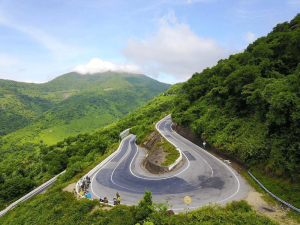
3. Hai Van Pass: The Most Scenic Highlight Along the Journey
No travel guide covering Hoi An to Hue would be complete without mentioning Hai Van Pass.
Known as the Ocean Cloud Pass, this spectacular mountain road is one of Central Vietnam’s most recognizable scenic routes. Stretching approximately 21 kilometers, it connects the Da Nang and Hue areas while offering impressive views of mountains, forests and the coastline.
The pass is especially attractive to travelers who enjoy road trips, photography and discovering destinations beyond the usual tourist attractions.
What Makes Hai Van Pass Special?
The beauty of Hai Van Pass lies in its changing landscapes.
As the road climbs higher, the scenery gradually opens up to reveal Da Nang Bay, the blue sea and the surrounding mountain ranges. On clear days, the panoramic views are particularly impressive.
At the summit, visitors can explore Hai Van Gate, an important historical structure associated with the mountain pass, and enjoy the fresh mountain atmosphere.
It is worth remembering that vehicles using the Hai Van Tunnel do not pass through the summit viewpoints. If you want to experience the scenery, arrange a private car or another suitable transfer that specifically includes the mountain road.

Best Stops Along Hai Van Pass
Hai Van Gate
Located near the summit, Hai Van Gate is a historic landmark offering panoramic views of the surrounding mountains and coastline. It is an excellent place to pause, take photographs and appreciate the historical significance of the pass.
Da Nang Bay Viewpoints
Several roadside viewpoints provide beautiful perspectives over Da Nang Bay. These are particularly attractive on clear days when the sea and mountains are visible across the horizon.
Lang Co Bay
As the journey continues north, the landscape opens toward Lang Co, a peaceful coastal destination known for its long sandy beach and beautiful bay.
The combination of blue water, green mountains and fishing communities makes this one of the most memorable sections of the route.
4. Best Places to Stop Between Hoi An and Hue
One of the advantages of traveling by private car is the opportunity to explore several attractions along the way.
Rather than treating the journey as a direct transfer, consider including a few carefully selected stops.
4.1. Hai Van Pass
The next major highlight is Hai Van Pass itself.
Travelers can spend time at the summit, explore Hai Van Gate and enjoy the panoramic mountain and ocean views.
The best experience comes from allowing enough time to stop safely and appreciate the scenery rather than rushing through the route.

4.2. Lang Co Bay
Situated on the northern side of Hai Van Pass, Lang Co Bay is known for its beautiful coastline, calm waters and impressive natural surroundings.
The area provides a refreshing contrast to the bustling atmosphere of Hoi An and Da Nang.
Travelers can take a break, enjoy the coastal views or have a seafood meal at a local restaurant.
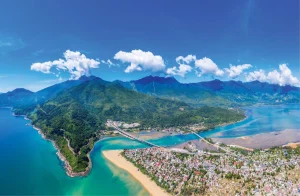
4.3. Lap An Lagoon
Another beautiful location near Lang Co is Lap An Lagoon, a peaceful brackish-water lagoon surrounded by mountains and coastal landscapes.
The lagoon is particularly photogenic when the water is calm, reflecting the surrounding scenery.
It is also known for local oyster farming and seafood production, making it an interesting stop for travelers who want to discover the area’s local culture.
Allow approximately 30–45 minutes for a short photography stop, or longer if you plan to enjoy a meal nearby.

5. What to Expect When You Arrive in Hue
After traveling from Hoi An to Hue, visitors will discover a destination deeply connected to Vietnam’s imperial history, traditional architecture and distinctive culinary culture.
Unlike the charming commercial streets of Hoi An, Hue offers a more contemplative atmosphere, with historic monuments, peaceful gardens and the gentle flow of the Perfume River.
If this is your first visit, consider including the following highlights in your itinerary.
5.1. Hue Imperial City
The Imperial City is one of Hue’s most important historical attractions and a central part of the Complex of Hue Monuments, recognized as a UNESCO World Heritage Site.
Built during the Nguyen Dynasty, the complex features impressive gates, palaces, courtyards and traditional architectural details that reflect Vietnam’s imperial past.
Visitors can spend several hours exploring the grounds and learning more about the history of the Nguyen emperors.

5.2. Royal Tombs of the Nguyen Emperors
Hue is also famous for its royal tombs, each offering a distinctive architectural style and historical story.
Some of the most well-known sites include:
- Tu Duc Tomb: A peaceful complex surrounded by lakes, gardens and traditional structures.
- Khai Dinh Tomb: Known for its elaborate architecture, detailed decoration and combination of Vietnamese and European influences.
- Minh Mang Tomb: A harmonious architectural complex set among gardens, lakes and natural landscapes.
These sites provide deeper insight into the culture, beliefs and artistic traditions of Vietnam’s imperial period.

5.3. Perfume River
The Perfume River flows through the heart of Hue, contributing to the city’s peaceful atmosphere.
Visitors can enjoy a leisurely walk along the riverbanks, explore nearby landmarks or take a boat trip to experience the city from a different perspective.
A visit in the late afternoon is particularly pleasant, when the atmosphere becomes quieter and the changing light creates beautiful reflections across the water.

5.4. Experience Hue’s Local Cuisine
Food is an essential part of discovering Hue.
The city is well known for its distinctive culinary traditions, particularly dishes that combine delicate flavors, fresh herbs and carefully prepared ingredients.
Some local specialties worth trying include:
- Bun Bo Hue: A flavorful beef noodle soup with a distinctive lemongrass aroma.
- Banh Beo: Small steamed rice cakes topped with savory ingredients.
- Banh Nam: Flat rice dumplings traditionally wrapped in banana leaves.
- Com Hen: Rice served with baby clams, herbs and a variety of crunchy toppings.
- Che Hue: Traditional Vietnamese sweet soups available in different flavors and textures.
Exploring local food is one of the most enjoyable ways to understand Hue beyond its historical attractions.

6. Best Time to Travel from Hoi An to Hue
Weather is an important consideration when planning a journey through Central Vietnam, especially if you intend to travel over Hai Van Pass.
The region experiences different weather patterns throughout the year, and conditions can vary between Hoi An, Da Nang and Hue.
Discover more: Da Nang to Hue Travel Guide: A Journey Worth More Than the Destination
February to April: Pleasant Weather for Exploring
This period generally offers comfortable temperatures and relatively favorable conditions for sightseeing.
It is a good time for exploring Hoi An Ancient Town, visiting Hue’s historical attractions and enjoying the coastal landscapes along the way.
May to August: Summer Sunshine and Coastal Views
Summer brings warmer temperatures and longer sunny periods, making it a popular season for beach holidays and scenic road trips.
The coastal scenery around Hai Van Pass and Lang Co can be particularly beautiful on clear days.
However, temperatures can become high, so it is advisable to travel earlier in the morning and bring sufficient water.
September to December: Rainy Season Considerations
The later months of the year can bring heavier rainfall, cloudy skies and occasional storms to Central Vietnam.
These conditions may affect visibility on Hai Van Pass and make some sections of the journey less comfortable.
Travelers should monitor weather forecasts before departure and remain flexible with their plans.
For motorbike riders in particular, avoiding mountain roads during heavy rain or poor visibility is essential.
7. Essential Travel Tips for Hoi An to Hue
A little preparation can make your journey more comfortable, especially if you plan to include sightseeing stops.
Here are some practical recommendations to consider before departure.
Book Your Transportation in Advance
During weekends, public holidays and peak travel periods, private cars and popular limousine services may become fully booked.
Confirm your transfer in advance, particularly if you are traveling with a large group or carrying several pieces of luggage.
Start Your Journey in the Morning
An early departure gives you more time to enjoy the scenery, stop at attractions and arrive in Hue without feeling rushed.
For travelers choosing the scenic Hai Van Pass route, a morning departure is particularly convenient.
Check the Weather Before Crossing Hai Van Pass
Weather conditions in mountainous areas can change quickly.
Fog, heavy rain and strong winds may reduce visibility, so check local forecasts and follow your driver’s advice before deciding to take the scenic route.
Prepare Comfortable Clothing and Essentials
Bring comfortable clothing, sunglasses, sunscreen, drinking water and a camera.
If you are traveling by train or bus, consider carrying a light jacket, especially if you are sensitive to air conditioning.
Confirm Luggage and Pick-Up Arrangements
Before booking a private transfer or shared vehicle, confirm the pick-up location, luggage capacity, expected arrival time and any additional charges for sightseeing stops.
This is particularly important for families and groups traveling with children.
Allow Enough Time for Sightseeing
If you plan to stop at Marble Mountains, Hai Van Pass and Lang Co, avoid scheduling another activity immediately after your expected arrival in Hue.
Allowing additional time makes the journey more enjoyable and gives you flexibility if traffic or weather conditions change.
8. Should You Take a Day Trip or Stay Overnight in Hue?
One of the most common questions when planning a journey from Hoi An to Hue is whether a day trip is sufficient.
The answer depends on how much you want to explore.
A Day Trip to Hue
A day trip can work for travelers who have limited time and mainly want to experience the highlights of the journey.
However, the return journey involves several hours on the road. If you include sightseeing stops along Hai Van Pass, the schedule can become quite demanding.
A day trip is best suited to visitors who are comfortable with a long travel day and only wish to see a few selected attractions.
An Overnight Stay in Hue
For a more relaxed experience, spending at least one night in Hue is highly recommended.
An overnight stay gives you time to explore the Imperial City, visit the royal tombs, enjoy local cuisine and discover the quieter side of the city without constantly watching the clock.
It also allows you to experience the contrast between Hoi An’s riverside charm and Hue’s historical atmosphere at a more comfortable pace.
Our recommendation: If your itinerary allows, consider traveling from Hoi An to Hue via Hai Van Pass, spending one or two nights in Hue, and continuing your journey afterward. This approach offers a more balanced way to experience Central Vietnam.
9. Frequently Asked Questions About Hoi An to Hue
How far is Hoi An from Hue?
Hoi An is approximately 125–130 kilometers from Hue by road. The distance may vary depending on your exact starting point, destination and chosen route.
How long does it take to travel from Hoi An to Hue?
A direct car journey generally takes around 3–3.5 hours. If you travel via Hai Van Pass and stop at scenic attractions, expect approximately 4–5 hours or longer.
What is the best way to get from Hoi An to Hue?
A private car is an excellent option for families and small groups who value comfort and flexibility. A limousine or tourist bus is more affordable, while the train is ideal for travelers who enjoy scenic railway journeys.
Is there a direct train from Hoi An to Hue?
No. Hoi An does not have a railway station. Travelers need to transfer to Da Nang Railway Station before taking a train to Hue.
Is Hai Van Pass worth visiting?
Absolutely. Hai Van Pass is one of the most scenic mountain routes in Central Vietnam, offering panoramic views of the coastline, mountains and Da Nang Bay. It is especially worthwhile if you enjoy road trips and photography.
Can I travel from Hoi An to Hue by motorbike?
Yes, experienced riders can travel by motorbike. However, the route includes challenging mountain sections, so a valid licence, suitable protective equipment and appropriate riding experience are essential.
What is the cheapest way to travel from Hoi An to Hue?
A shared tourist bus or limousine van is generally one of the most affordable direct options. Train travel can also be economical, although you must account for the additional transfer between Hoi An and Da Nang Railway Station.
Is one day enough to visit Hue from Hoi An?
One day is enough to visit a few major attractions, but the journey can be tiring because of the travel time. Staying overnight is a better option if you want to explore the Imperial City, royal tombs and local food culture at a relaxed pace.
Can I stop at Lang Co Bay when traveling from Hoi An to Hue?
Yes. Lang Co Bay is a popular stop along the scenic route over Hai Van Pass. You can arrange a private transfer with a sightseeing stop to enjoy the coastal scenery and local seafood.
What is the best time to travel from Hoi An to Hue?
February to August is generally a favorable period for exploring the route, with many sunny days and good opportunities for sightseeing. During the rainy season, particularly from September onward, check the weather before traveling.
10. Make the Most of Your Central Vietnam Journey
Traveling from Hoi An to Hue is more than a connection between two destinations. It is an opportunity to experience the diverse beauty of Central Vietnam, from charming heritage streets and coastal landscapes to dramatic mountain roads and centuries of imperial history.
Each transportation option offers a different perspective. A private car gives you the freedom to explore at your own pace, a limousine provides a convenient and affordable transfer, while the train offers a memorable journey through the coastal scenery.
For travelers with enough time, the most rewarding approach is to slow down, take the scenic route over Hai Van Pass and allow yourself to discover the destinations along the way.
Whether you begin your journey in the cultural charm of Hoi An or continue north toward the historical treasures of Hue, Central Vietnam offers experiences worth making time for.
Reservations & Contact
Hotline: (+84) 0235 2208 999
Fanpage: https://www.facebook.com/TheFiveVillasResorts
Website: https://quangnam.thefiveresorts.vn
📍 Address: The Five Villas & Resort Quangnam Danang, Lac Long Quan Street, Dien Ban Dong Ward, Da Nang city, Vietnam