

 T.Việt
 日本語
日本語 中文
中文 한국어
한국어Hoi An excursions are more than simple sightseeing activities—they are gateways into the soul of Central Vietnam. While many travelers are familiar with the lantern-lit streets of the Old Town, the true essence of Hoi An reveals itself through immersive excursions that explore hidden landscapes, enduring traditions, and everyday local life. For travelers seeking meaningful cultural experiences rather than rushed itineraries, Hoi An excursions offer depth, authenticity, and emotional connection.
Once a major trading port between the 15th and 19th centuries, Hoi An developed into a unique cultural crossroads influenced by Vietnamese, Chinese, Japanese, and European traditions. Today, this layered history continues to shape local architecture, cuisine, crafts, and customs. Thoughtfully designed Hoi An excursions allow visitors to step beyond the surface and understand how history, nature, and people coexist in harmony.
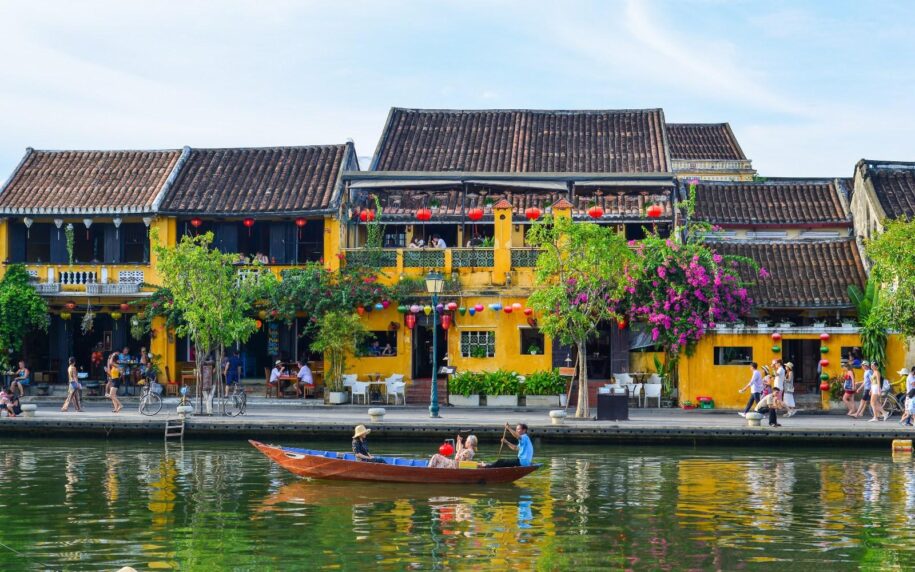
Why Hoi An Excursions Are Ideal for Cultural Exploration
What makes Hoi An excursions particularly special is their ability to slow travelers down. Unlike large urban destinations, Hoi An encourages exploration at a gentle pace—by bicycle, boat, or on foot—making space for observation and interaction. These excursions are not about checking landmarks off a list, but about discovering how local life unfolds quietly and consistently.
Through Hoi An excursions, travelers can engage directly with farmers, fishermen, artisans, and home cooks. These encounters offer insight into sustainable living, intergenerational knowledge, and community-based traditions that remain central to daily life in the region.
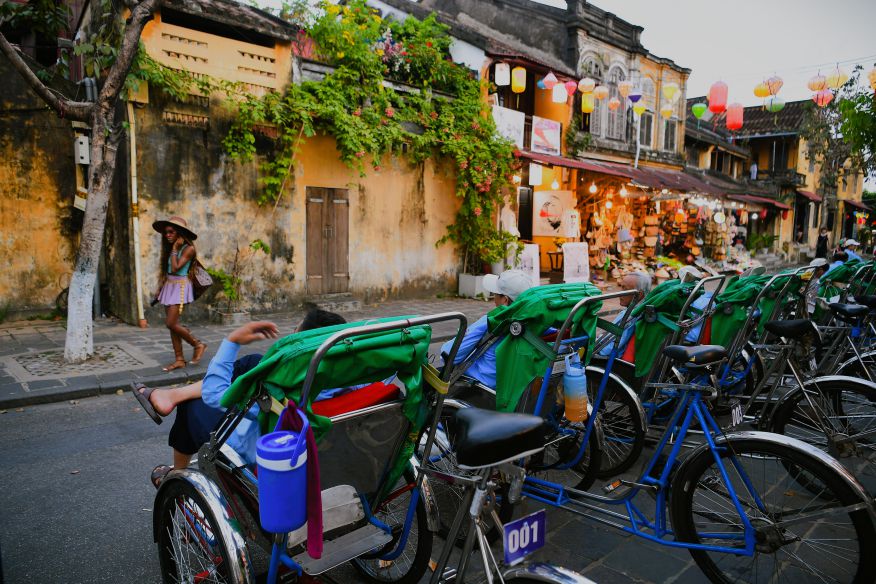
Countryside Hoi An Excursions and Village Life
One of the most enriching types of Hoi An excursions takes place in the surrounding countryside, where rural villages preserve traditions passed down for centuries. Just beyond the Old Town lies Tra Que Vegetable Village, a community renowned for its organic farming practices. Here, agriculture is not a performance for visitors but a way of life rooted in respect for the land.
Visitors participating in this type of excursion gain hands-on experience with traditional farming methods, learn about natural fertilizers, and understand how local herbs shape Hoi An’s distinctive cuisine. These countryside Hoi An excursions highlight the strong connection between food, land, and cultural identity.
Cycling through nearby villages further deepens this experience. As travelers move along quiet paths bordered by rice fields and waterways, they witness scenes of everyday life—children returning from school, elders resting in shaded courtyards, farmers tending their fields. These moments, though simple, often become the most memorable parts of a journey.
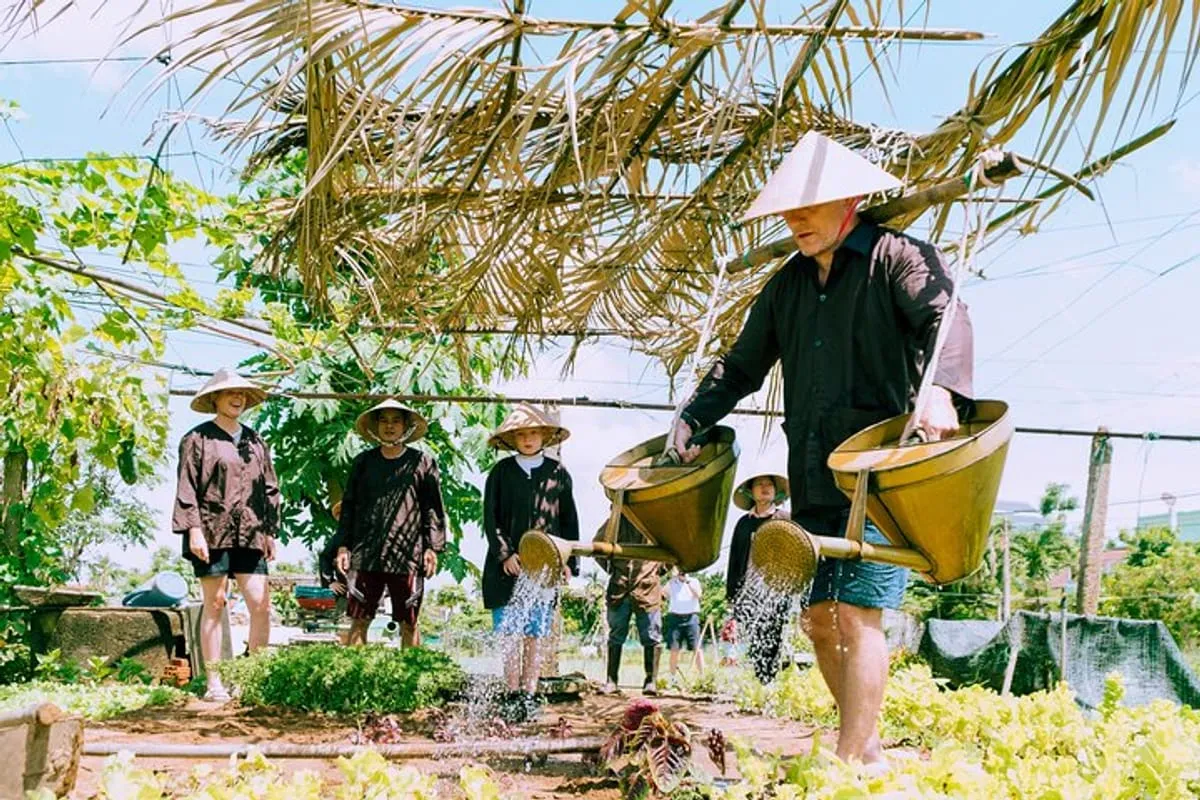
River-Based Hoi An Excursions and Traditional Livelihoods
The Thu Bon River has played a vital role in shaping Hoi An’s history and economy. River-focused Hoi An excursions reveal how waterways once connected the town to regional and international trade routes. Even today, the river remains central to local livelihoods and cultural rhythms.
Boat excursions along the Thu Bon River provide a different perspective of Hoi An—one defined by fishing villages, pottery communities, and riverside markets. These journeys are particularly meaningful at sunrise or sunset, when the pace of life slows and the landscape feels timeless.
Another popular river experience involves navigating water coconut forests in traditional round basket boats. While often associated with entertainment, these excursions also tell a deeper story of adaptation, as local fishermen developed unique techniques to survive in flooded ecosystems.
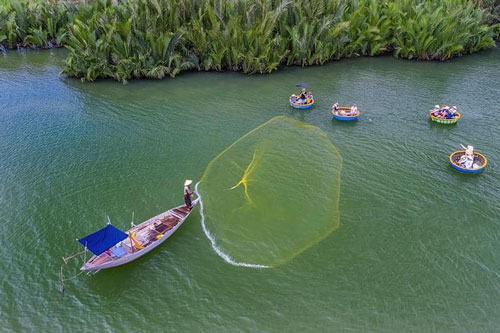
Cultural and Heritage Hoi An Excursions
For travelers interested in history and spirituality, cultural Hoi An excursions extend beyond the town itself. A visit to My Son Sanctuary offers insight into the ancient Cham civilization that once dominated Central Vietnam. As a former religious center, My Son reveals architectural sophistication, spiritual symbolism, and cultural continuity dating back over a thousand years.
This excursion provides essential context for understanding the region’s pre-Vietnamese past and enriches a traveler’s appreciation of Hoi An’s layered identity. Visiting with a knowledgeable guide transforms the experience from visual exploration into cultural understanding.

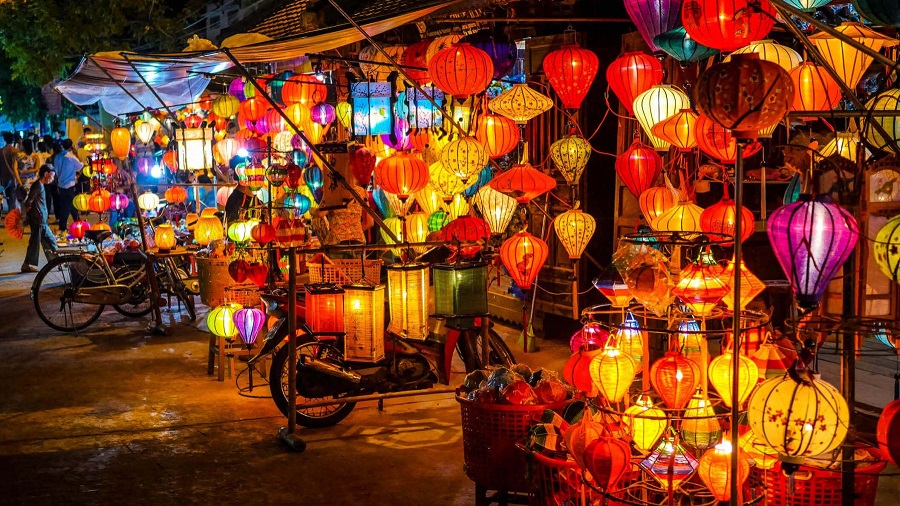
Within Hoi An itself, craft-focused excursions highlight living heritage. Lantern-making workshops, for example, introduce visitors to one of the town’s most iconic symbols. Creating a lantern by hand allows travelers to appreciate the craftsmanship, symbolism, and community values behind this enduring tradition.
Similarly, tailoring and textile-related Hoi An excursions reflect the town’s history as a trading hub. Many tailoring houses remain family-run, preserving techniques and standards that emphasize craftsmanship over speed.
Explore more: Hoi An: Discover Vietnam’s Timeless Ancient Town – The Five Villas & Resort Quangnam Danang
Culinary Hoi An Excursions: Understanding Culture Through Food
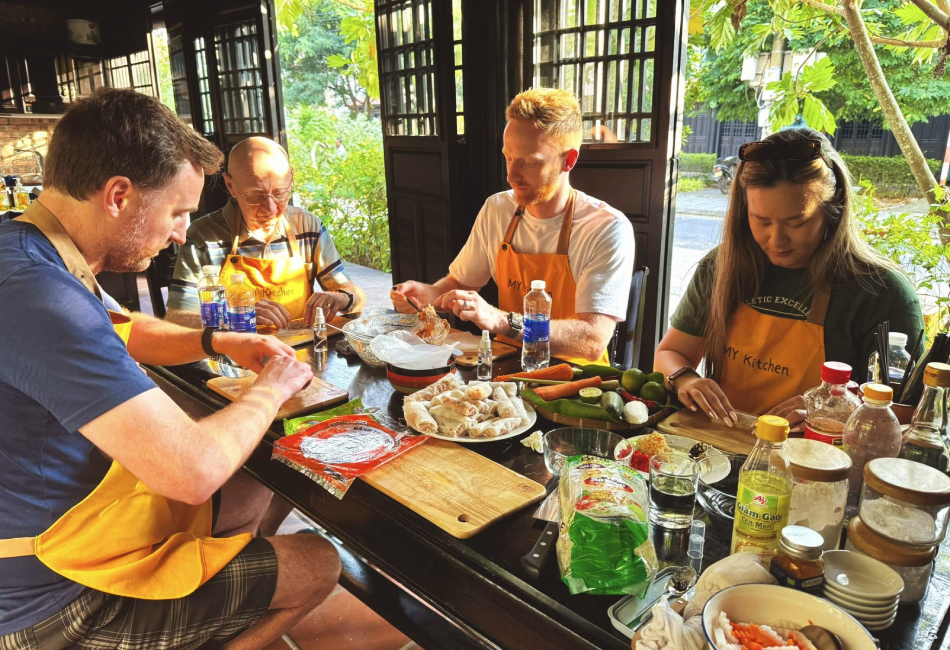
Food is one of the most accessible ways to experience culture, and culinary Hoi An excursions offer deep insight into local life. These experiences often begin at traditional markets, where guides explain the role of seasonal ingredients, regional herbs, and long-standing cooking methods.
From market visits to home-style cooking classes, travelers learn how iconic dishes are prepared and why they matter culturally. Sharing a meal with local hosts reinforces the idea that food in Hoi An is not just nourishment, but a form of storytelling and connection.
Choosing the Right Hoi An Excursions
Not all Hoi An excursions are created equal. Travelers seeking cultural depth should prioritize small-group or private experiences that allow time for conversation and reflection. Excursions led by local guides often provide richer narratives and more respectful engagement with communities.
Responsible travel is also essential. Ethical Hoi An excursions support local economies, respect cultural boundaries, and minimize environmental impact. Choosing operators who work closely with villages and artisans helps preserve the authenticity that makes Hoi An unique.
Practical Tips for Planning Hoi An Excursions
The best time for most Hoi An excursions is during the dry season, from February to August, when weather conditions are ideal for outdoor activities. Early mornings are recommended for cultural and heritage sites, while late afternoons suit river and village experiences.
Comfortable clothing, sun protection, and an open mindset go a long way. More importantly, travelers should approach each excursion with respect and curiosity, recognizing that they are entering living communities rather than curated attractions.
Why Hoi An Excursions Leave a Lasting Impression
What sets Hoi An excursions apart is their emotional resonance. These journeys invite travelers to slow down, listen, and participate rather than observe from a distance. Whether cycling through rice fields, sharing a meal, or learning a traditional craft, each experience fosters a sense of connection that extends beyond the trip itself.
In a world of fast travel and surface-level experiences, Hoi An excursions offer something increasingly rare: authenticity, depth, and human connection.
Conclusion: Discovering the True Spirit of Hoi An
Hoi An excursions are not about seeing more, but about seeing deeper. They reveal the quiet beauty of rural life, the resilience of tradition, and the warmth of local hospitality. For travelers who value cultural understanding and meaningful experiences, exploring Hoi An through thoughtfully chosen excursions transforms a visit into a lasting memory.
By stepping beyond the familiar paths, Hoi An reveals itself not just as a destination, but as a living story—one best discovered slowly, respectfully, and with an open heart.
Reservations & Contact:
Hotline: (+84) 0235 2208 999
Facebook: https://www.facebook.com/TheFiveVillasResorts
Website: https://quangnam.thefiveresorts.vn
Address: The Five Villas & Resort Quangnam Danang, Lac Long Quan Street, Dien Ban Dong Ward, Da Nang City, Vietnam